Freedom of Expression Under Attack
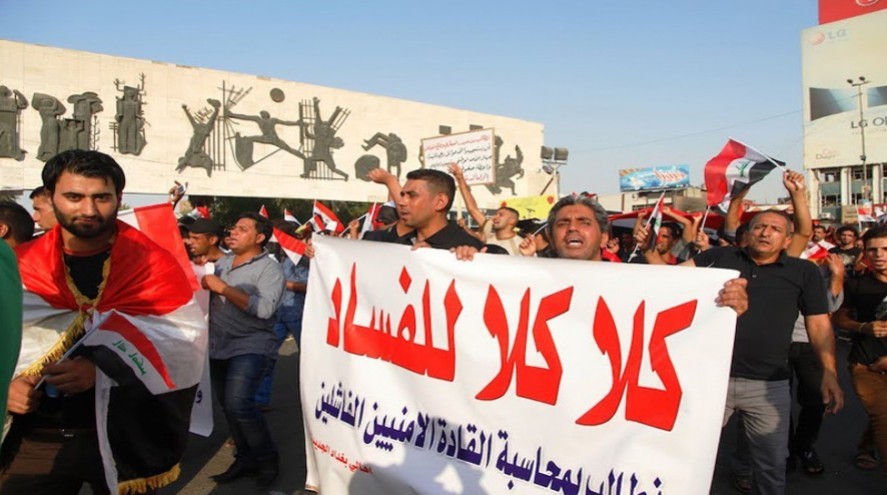
Human‑rights groups are sounding the alarm over a deepening crackdown on freedom of expression and peaceful assembly in Iraq, where authorities are increasingly using legal, judicial, and administrative measures to punish dissent, restrict independent voices, and suppress public debate.

Abdulla Shakir Mahmood
Note from the Author
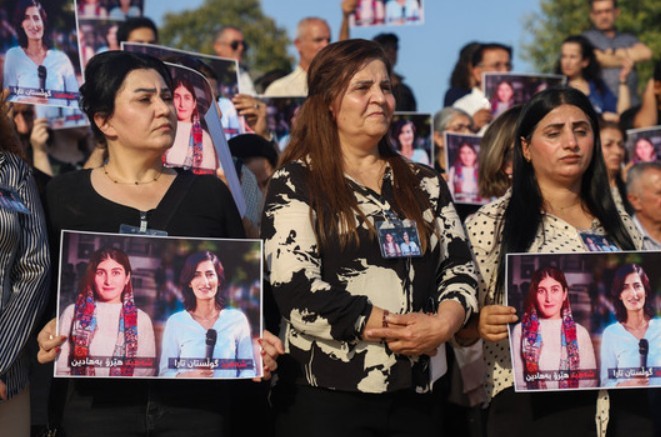
This report exposes yet another failure of Iraq’s government: the systematic attack on freedom of expression and civic rights. Instead of protecting constitutional guarantees, the state has become a tool of intimidation, punishing peaceful dissent, journalists, and human-rights defenders under vague and arbitrary charges. This is not governance — it is tyranny disguised as law. Arrests, threats, and prosecutions for simply speaking out reveal a government more concerned with silencing citizens than serving them.
These actions reflect the corrosive influence of sectarianism, religious ideology, and militia power on Iraqi institutions. When the state prioritizes control over accountability, fear replaces justice, and repression replaces law. Iraqis are left to navigate a society where speaking the truth can land them in prison, while corruption, terrorism, and militia domination continue unchecked.
This reinforces our mission: Iraq must be secular, law-based, and free from religious, sectarian, or militia interference. Citizens must be able to speak, organize, and advocate for change without fear. Until Iraq protects freedom of expression, enforces the rule of law, and rebuilds secular, accountable institutions, the country will remain trapped in a cycle of fear, injustice, and stagnation.
Article:
According to the Iraqi Observatory for Human Rights (IOHR), developments in late 2025 show a dangerous trajectory toward restricting freedom of expression, with state institutions turning punitive against peaceful opinion, workplace criticism, human‑rights advocacy, and political expression. These moves, the IOHR says, reflect a shift from protecting constitutional rights to penalising basic freedoms.
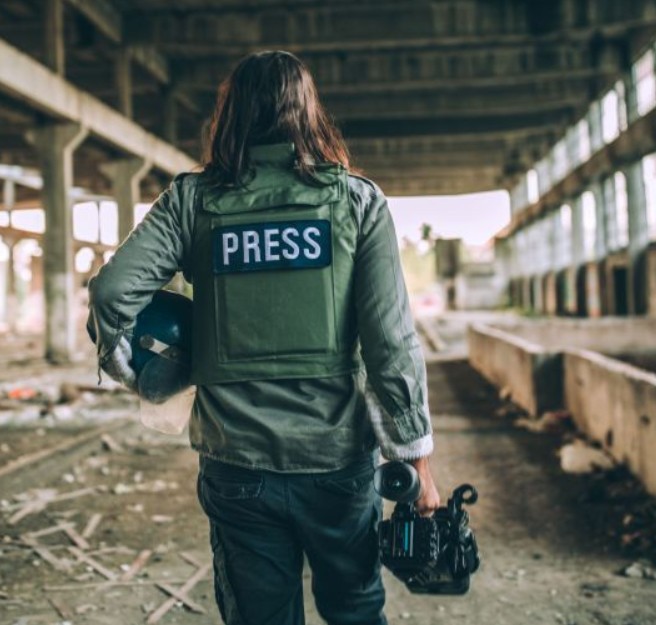
Both IOHR and expression‑rights advocates point out that recent crackdowns have been coupled with arrests, threats, and prosecutions of journalists and content creators, often on vague charges such as “indecent content” or undermining public order. These prosecutions are frequently pursued under broad criminal code provisions that give authorities wide leeway to silence critics and dissidents.
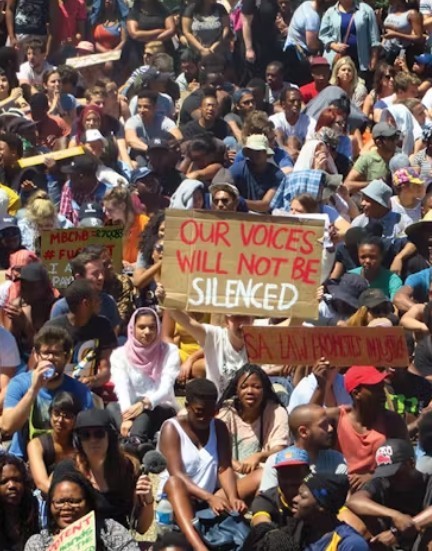
Human‑rights defenders warn that such measures are eroding civic space in Iraq, where constitutional guarantees for freedom of opinion, expression, and peaceful assembly are increasingly undermined in practice. This trend, critics say, not only risks shrinking democratic discourse but also sends a chilling message to journalists, activists, and ordinary citizens that speaking out — online or offline — can lead to legal trouble, harassment, or censorship.
About

This platform is run by one person, but it carries the voices of many. It exists for the people of Iraq who live in fear, who cannot speak freely, and whose stories are often ignored or erased. With limited resources but deep responsibility, I report on government and power not for influence or profit, but because truth still matters. When silence is forced, this space chooses to speak — carefully, bravely, and with humanity.
Featured Posts

Subscribe now to stay updated with top news!
Subscribe now to stay updated with all the top news, exclusive insights, and weekly highlights you won’t want to miss.