A significant corruption and nepotism scandal has erupted within Iraq’s legislature after leaked media reports revealed that influential officials used their positions to appoint 134 family members to government posts, bypassing merit‑based hiring rules and legal prohibitions against nepotism.
A major corruption scandal uncovered in Iraq’s Anbar Governorate has laid bare the extent to which public funds are being abused and siphoned off by officials and networks tied to political power, undermining national recovery and public trust.
Baghdad — A massive corruption scandal that has come to be known in Iraq as the “heist of the century” continues to reverberate across the country, exposing deep systemic corruption and shaking public confidence in government institutions.
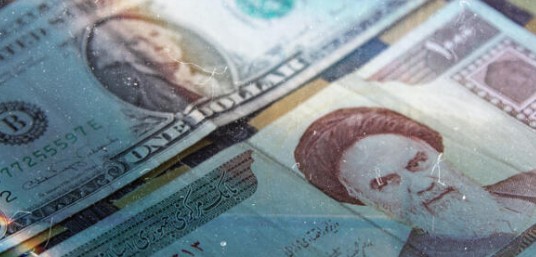
Iraq has lost over $8 billion in unrepaid business loans, revealing deep structural corruption and failure in financial governance that continues to siphon off public resources and undermine the economy. A financial audit published in June 2025 showed that repayment rates on government‑backed loans did not exceed 1 %, with almost none of the borrowed funds returned to state coffers despite large lending programmes over two decades.
A major corruption scandal was revealed by Iraq’s Rusafa Investigation Court, which specialises in financial crimes, when it uncovered the theft of more than 3.3 billion Iraqi dinars and a substantial amount of gold from the General Traffic Directorate in Baghdad. The case highlights ongoing systemic corruption within state institutions and continued public frustration over accountability failures.
A major corruption investigation in Iraq has uncovered widespread illegal acquisition and misallocation of state‑owned properties valued at over 40 trillion Iraqi dinars, exposing systemic exploitation of public land by connected individuals with weak oversight from authorities.
A significant corruption and nepotism scandal has erupted within Iraq’s legislature after leaked media reports revealed that influential officials used their positions to appoint 134 family members to government posts, bypassing merit‑based hiring rules and legal prohibitions against nepotism.
A major corruption scandal uncovered in Iraq’s Anbar Governorate has laid bare the extent to which public funds are being abused and siphoned off by officials and networks tied to political power, undermining national recovery and public trust.
Baghdad — A massive corruption scandal that has come to be known in Iraq as the “heist of the century” continues to reverberate across the country, exposing deep systemic corruption and shaking public confidence in government institutions.
Iraq has lost over $8 billion in unrepaid business loans, revealing deep structural corruption and failure in financial governance that continues to siphon off public resources and undermine the economy. A financial audit published in June 2025 showed that repayment rates on government‑backed loans did not exceed 1 %, with almost none of the borrowed funds returned to state coffers despite large lending programmes over two decades.
A significant corruption and nepotism scandal has erupted within Iraq’s legislature after leaked media reports revealed that influential officials used their positions to appoint 134 family members to government posts, bypassing merit‑based hiring rules and legal prohibitions against nepotism.
A major corruption scandal uncovered in Iraq’s Anbar Governorate has laid bare the extent to which public funds are being abused and siphoned off by officials and networks tied to political power, undermining national recovery and public trust.
Baghdad — A massive corruption scandal that has come to be known in Iraq as the “heist of the century” continues to reverberate across the country, exposing deep systemic corruption and shaking public confidence in government institutions.
Iraq has lost over $8 billion in unrepaid business loans, revealing deep structural corruption and failure in financial governance that continues to siphon off public resources and undermine the economy. A financial audit published in June 2025 showed that repayment rates on government‑backed loans did not exceed 1 %, with almost none of the borrowed funds returned to state coffers despite large lending programmes over two decades.