Major Nepotism and Corruption Scandal in Iraqi Parliament Exposed
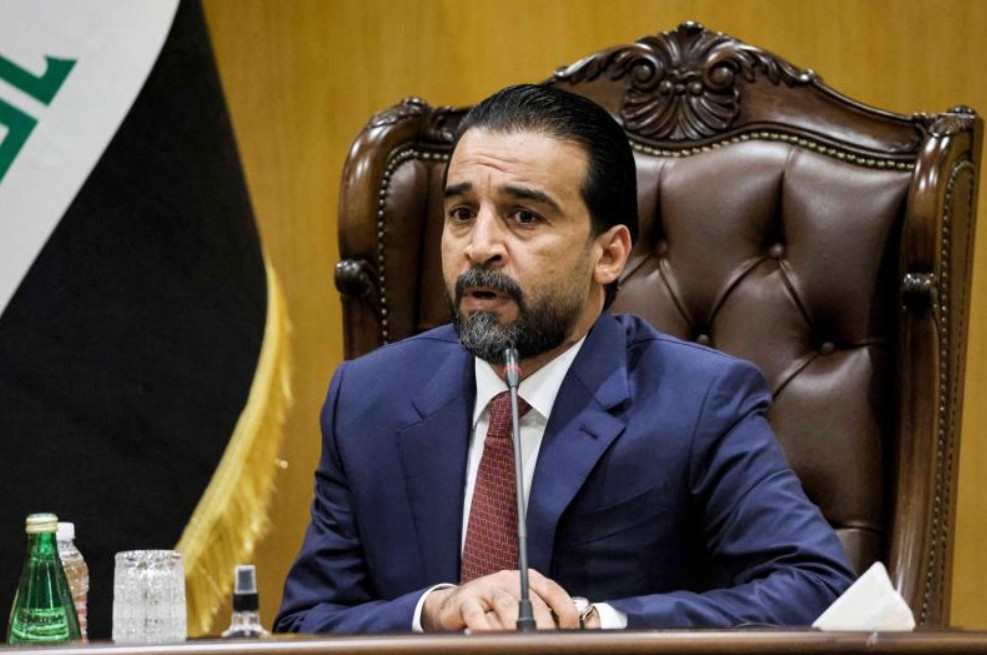
A significant corruption and nepotism scandal has erupted within Iraq’s legislature after leaked media reports revealed that influential officials used their positions to appoint 134 family members to government posts, bypassing merit‑based hiring rules and legal prohibitions against nepotism.

Abdulla Shakir Mahmood
5 Jan 2026
Note from the Author
Iraq is bleeding because its so-called government has failed its people at every level. The recent reports of returning fighters from Syria, suicide attacks in Al‑Qaim, and the “Family Parliament” scandal are not isolated incidents — they are symptoms of a state hijacked by militias, sectarian agendas, and foreign powers. Our government is incompetent, corrupt, and dangerously sectarian, allowing religious ideology and family ties to dictate policy while ordinary citizens live in fear and deprivation.
Iraq has become a playground for militias and extremist groups. The Iraqi government cannot even secure its own borders or detention centers. Terrorists roam freely, suicide attacks strike innocent families, and sleeper cells continue to spread fear — yet politicians hide behind excuses and sectarian rhetoric instead of taking responsibility. This is the cost of allowing Sharia influence, militia power, and foreign agendas to dominate Iraqi politics. Citizens are left unprotected, children are traumatized, and families live under constant threat.
Meanwhile, corruption runs rampant. Parliamentary officials openly hire their families, create “ghost employees,” and steal taxpayer money while Iraq’s institutions collapse. This isn’t just mismanagement — it is theft, nepotism, and a betrayal of every Iraqi citizen. The government has abandoned the people, prioritizing sectarian loyalty, religious authority, and personal gain over competence, justice, and national interest.
Enough is enough. Iraq must be secular. Religion and ideology have no place in governance. Militias must be disarmed. Corrupt officials must be held accountable. Laws must protect citizens equally, not favor sects or families. Iraq’s sovereignty must be restored, and the state must work for its people — not for Iran, not for militias, not for clerics, and certainly not for corrupt politicians.
Article:
According to the reports, the scandal — dubbed the “Family Parliament” case — involves Iraqi parliamentary officials who allegedly placed relatives in various administrative and advisory roles within the Council of Representatives throughout 2024 and 2025. Among those implicated:
Nazim Kateh al‑Saadi allegedly appointed over 33 family members, including his wife and children, to senior parliamentary jobs.
Abbas al‑Sharifi is reported to have placed his children and other relatives in key administrative functions.
Other officials, including directors and advisors, are accused of hiring spouses, siblings, and extended family into government positions.
Many of the appointments reportedly involved “ghost employees” — individuals who receive salaries and generous bonuses but rarely, if ever, show up for work or perform any real duties. Media observers and anti‑corruption campaigners say this not only wastes taxpayer money, but also deeply undermines trust in Iraq’s political institutions, eroding confidence in governance during a period of economic hardship and political dysfunction.
Analysts point out that this scandal is part of a broader pattern of corruption in Iraq — where official titles and public funds are too easily leveraged to benefit insiders, often at the expense of effective governance and public trust.
About

This platform is run by one person, but it carries the voices of many. It exists for the people of Iraq who live in fear, who cannot speak freely, and whose stories are often ignored or erased. With limited resources but deep responsibility, I report on government and power not for influence or profit, but because truth still matters. When silence is forced, this space chooses to speak — carefully, bravely, and with humanity.
Featured Posts

Subscribe now to stay updated with top news!
Subscribe now to stay updated with all the top news, exclusive insights, and weekly highlights you won’t want to miss.