>
>
Outrage in Iraq After Disturbing Harassment Incident in Basra During New Year’s Eve
Outrage in Iraq After Disturbing Harassment Incident in Basra During New Year’s Eve
young-woman-being-surrounded-and-harassed-by-a-group-of-men-amid-the-holiday-festivities

Abdulla Shakir Mahmood
Note from the Author
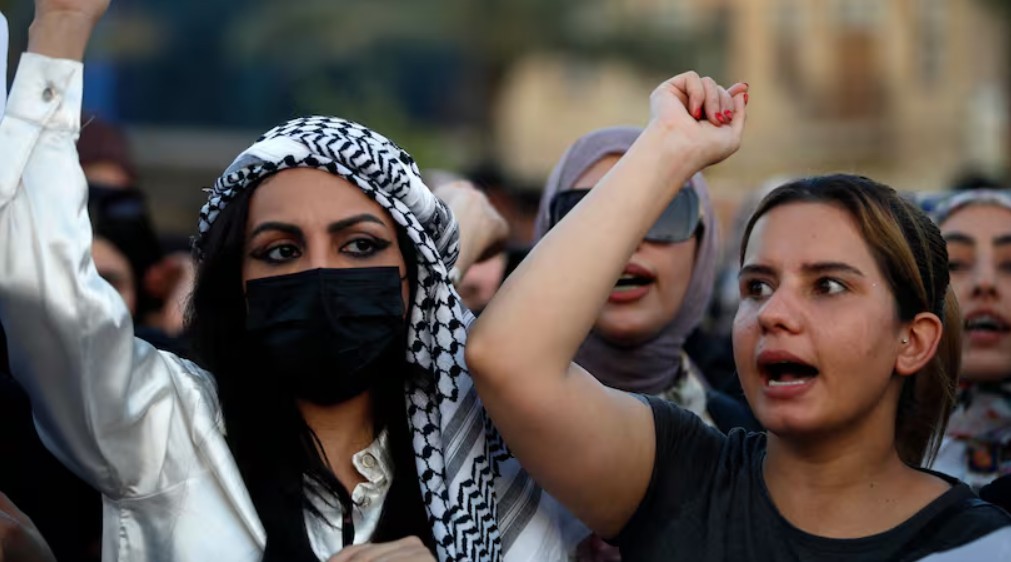
The horrifying harassment of a young girl in Basra is yet another damning example of Iraq’s systemic failure to protect women and uphold the rule of law. While social media footage exposes the abuse, the root of the problem lies in a government and society that tolerate violence against women, allow impunity for perpetrators, and enforce laws selectively or weakly. This is not an isolated incident — it reflects a culture where Sharia-influenced norms, tribal pressures, and patriarchal authority dominate public life, leaving women and girls vulnerable to exploitation and fear.
The Iraqi government’s inability or unwillingness to ensure swift, transparent justice shows that our institutions prioritize tradition, sectarian loyalty, and social hierarchies over human rights and citizen safety. Violence against women is treated as a private or social matter, rather than a criminal offense punishable by law — a reality that mirrors the broader failure to enforce secular, equality-based governance.
This incident underscores the urgency of our mission: Iraq must be secular, governed by law and reason, with clear protections for women and children enshrined in civil legislation. Harassment, forced marriage, and violence against women cannot be tolerated, excused, or ignored. Until the state enforces laws equally, dismantles sectarian and militia influence, and protects its most vulnerable citizens, women will remain powerless, and Iraqi society will continue to decay.
Article:
Footage is hidden in respect of UK Laws as the girl was Under the legal Age
The footage, widely shared on social media platforms, shows a young woman being surrounded and harassed by a group of men amid the holiday festivities. In some clips, the crowd appears to jostle her and push her toward a vehicle as she cries out for help , scenes that sparked shock and condemnation from many Iraqis both inside and outside the country.
Human rights advocates and women’s rights organisations strongly condemned the incident. The Iraqi High Commission for Human Rights (IHCHR) described the actions as “a blatant violation of personal rights and freedoms” and urged the government to take transparent and firm legal action against perpetrators.
One prominent advocate told The National that the Basra incident “reflects the weakness of law enforcement, lack of real deterrence for perpetrators, and the social norms that justify or tolerate violence.” She added that incidents of harassment at large public gatherings were becoming more common and pointed to broader gaps in legal safeguards for women and girls
About

This platform is run by one person, but it carries the voices of many. It exists for the people of Iraq who live in fear, who cannot speak freely, and whose stories are often ignored or erased. With limited resources but deep responsibility, I report on government and power not for influence or profit, but because truth still matters. When silence is forced, this space chooses to speak — carefully, bravely, and with humanity.
Featured Posts


Subscribe now to stay updated with top news!
Subscribe now to stay updated with all the top news, exclusive insights, and weekly highlights you won’t want to miss.