>

Author

>

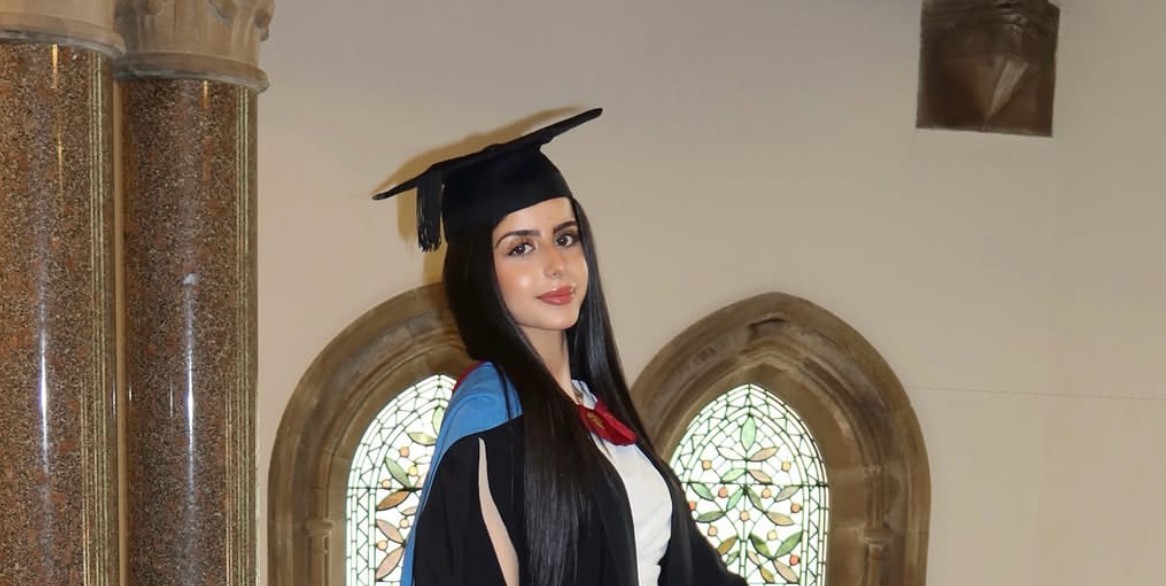
Abdulla Shakir Mahmood

Abdulla Shakir Mahmood

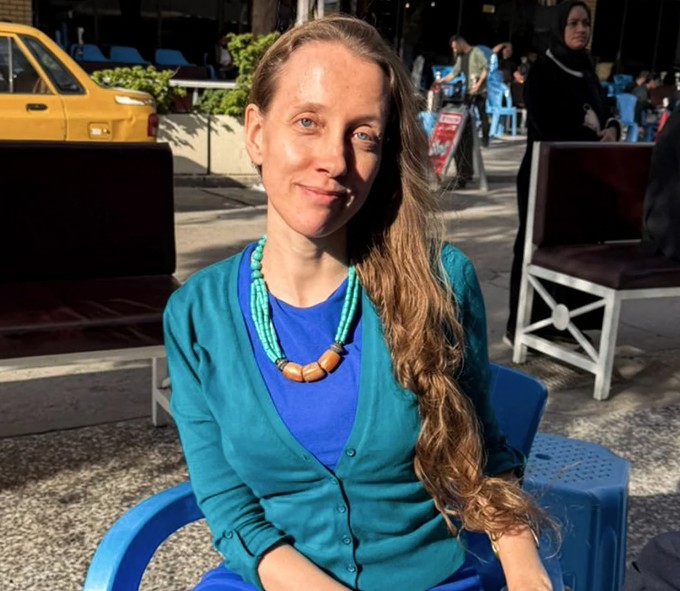
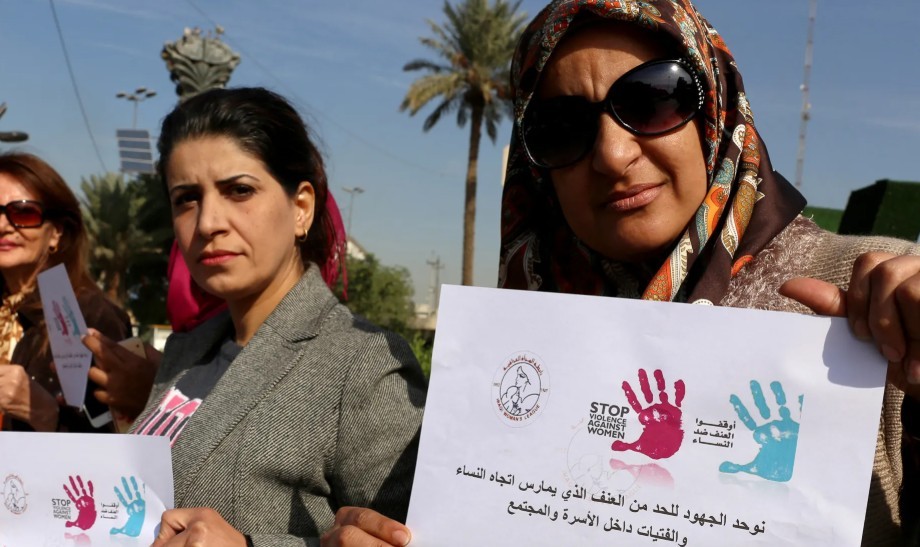
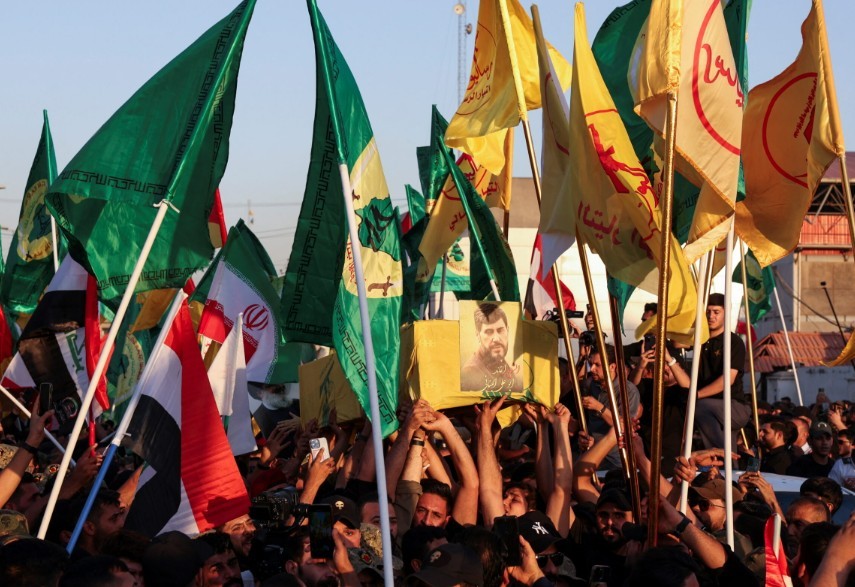
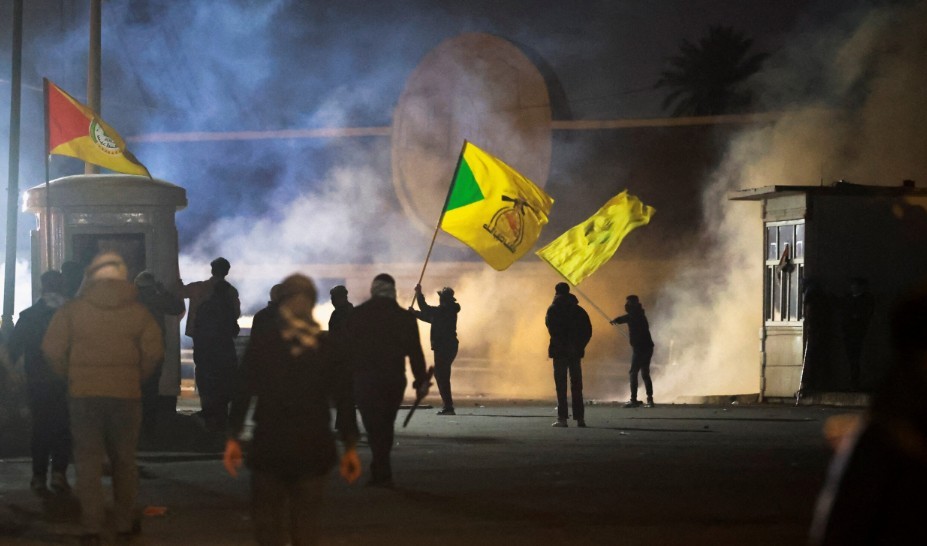
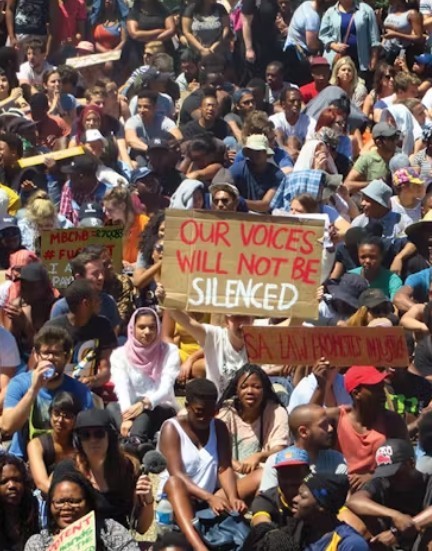
I can no longer remain silent about the state of my country. Iraq today is a nation held hostage by corruption, militias, sectarian politics, and theocratic influence. Ordinary citizens live under constant fear — from terrorism, from armed factions, from government failures, and from laws that strip women and children of their rights. The state, which should protect its people, instead serves the interests of elites, militias, and foreign powers. The endless cycle of violence from ISIS attacks to militia assassinations shows that Iraqi institutions are incapable of guaranteeing security. Families live in terror, children are targeted, and women are harassed, forced into marriage, and silenced. Legal reforms, like the Personal Status Law amendments, codify discrimination against women. Corruption siphons billions of dollars from public funds meant for education, healthcare, and infrastructure. State property is stolen, public resources are mismanaged, and elites escape accountability. Iraq has become a country where law, justice, and human rights exist in name only, while religion, sectarianism, and armed factions dominate daily life. The influence of Iran-aligned militias and sectarian politics has turned Iraq into a theater for foreign agendas, putting every citizen at risk. I refuse to accept this reality. I stand for a secular, accountable, and just Iraq, where the law protects citizens equally, women and children are empowered, and armed militias have no place in governance. Iraq must break free from sectarian chains and foreign influence. Public institutions must serve the people — not enrich the powerful or enforce religious dogma. I call for change, and I demand it now. Iraq’s future depends on courageous citizens who speak truth to power, reject corruption and violence, and fight for a secular state where safety, freedom, and justice are not privileges but guaranteed rights. I will not remain silent, and neither should anyone who believes in an Iraq that belongs to its people, not to militias, clerics, or corrupt politicians.

1 Apr 2026

/

Post by

U.S. airstrike struck a location in Iraq linked to Iran-backed militias, resulting in the deaths of several individuals associated with these armed groups.

1 Apr 2026

/

Post by

major drone attack targeted a foreign-linked oil facility in Erbil, in Iraq’s Kurdistan Region. The site, operated in partnership with a British company, was struck by multiple drones, triggering large explosions and fires that caused significant damage to infrastructure.

1 Apr 2026

/

Post by

On March 31, 2026, Kittleson was kidnapped in central Baghdad near the Baghdad Hotel, an area often used by foreign journalists.

29 Mar 2026

/

Post by

Drone strike targeted the residence of Nechirvan Barzani, the President of the autonomous Kurdistan Region in Iraq.

28 Mar 2026

/

Post by

A U.S. airstrike struck a base used by Iraqi pro‑Iran armed factions close to Baghdad, killing multiple personnel and escalating tensions just days ago.

24 Mar 2026

/

Post by

Iraq’s National Security Council formally permitted the Popular Mobilization Forces (PMF) a coalition of mostly Iran‑aligned militia groups—to respond with force to attacks on their positions, effectively giving a green light for militia reprisals and legitimizing their autonomous armed operations.

1 Apr 2026

/

Post by

U.S. airstrike struck a location in Iraq linked to Iran-backed militias, resulting in the deaths of several individuals associated with these armed groups.

1 Apr 2026

/

Post by

major drone attack targeted a foreign-linked oil facility in Erbil, in Iraq’s Kurdistan Region. The site, operated in partnership with a British company, was struck by multiple drones, triggering large explosions and fires that caused significant damage to infrastructure.

1 Apr 2026

/

Post by

On March 31, 2026, Kittleson was kidnapped in central Baghdad near the Baghdad Hotel, an area often used by foreign journalists.

29 Mar 2026

/

Post by

Drone strike targeted the residence of Nechirvan Barzani, the President of the autonomous Kurdistan Region in Iraq.

Subscribe now to stay updated with top news!

Subscribe now to stay updated with all the top news, exclusive insights, and weekly highlights you won’t want to miss.
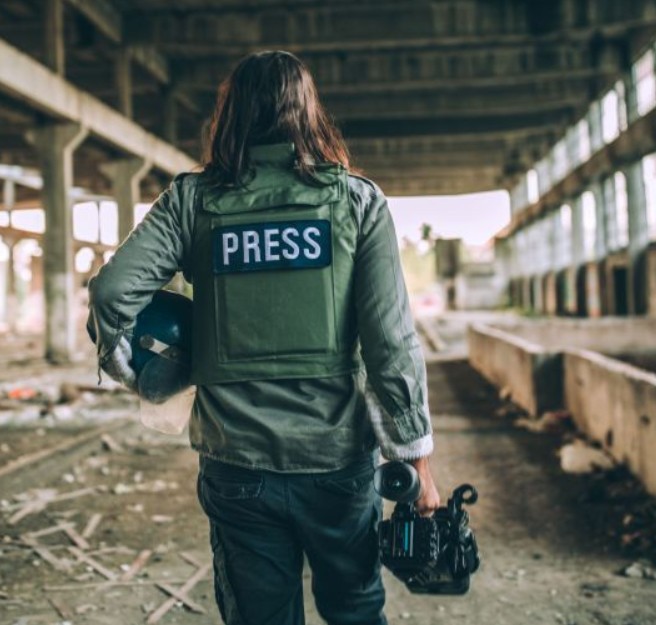
This platform is run by one person, but it carries the voices of many. It exists for the people of Iraq who live in fear, who cannot speak freely, and whose stories are often ignored or erased. With limited resources but deep responsibility, I report on government and power not for influence or profit, but because truth still matters. When silence is forced, this space chooses to speak — carefully, bravely, and with humanity.

© 2026 iraqi-insider. All rights reserved.

This platform is run by one person, but it carries the voices of many. It exists for the people of Iraq who live in fear, who cannot speak freely, and whose stories are often ignored or erased. With limited resources but deep responsibility, I report on government and power not for influence or profit, but because truth still matters. When silence is forced, this space chooses to speak — carefully, bravely, and with humanity.

© 2026 iraqi-insider. All rights reserved.

This platform is run by one person, but it carries the voices of many. It exists for the people of Iraq who live in fear, who cannot speak freely, and whose stories are often ignored or erased. With limited resources but deep responsibility, I report on government and power not for influence or profit, but because truth still matters. When silence is forced, this space chooses to speak — carefully, bravely, and with humanity.

© 2026 iraqi-insider. All rights reserved.