Iraq Transfers 2,250 ISIS Fighters from Syria — A Security Nightmare
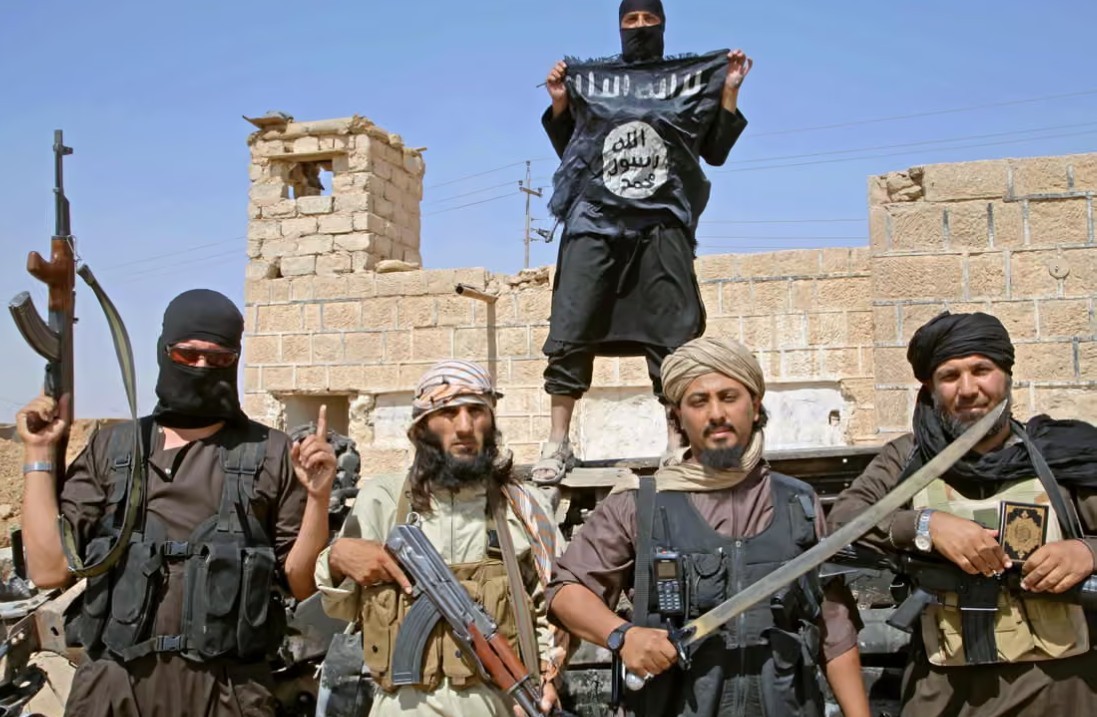
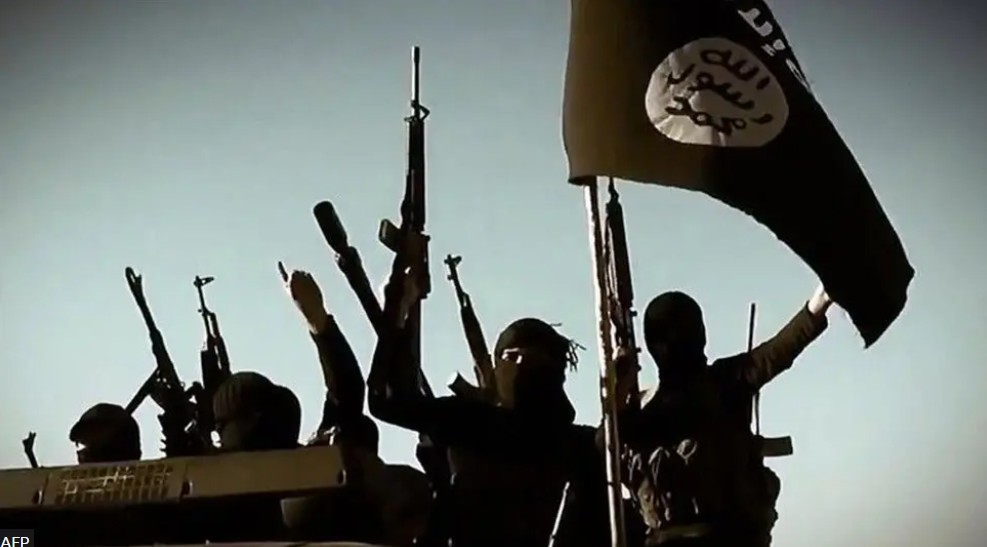
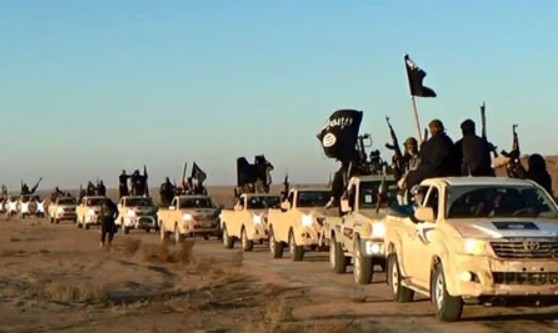
Iraq has received custody of 2,250 Islamic State (ISIS) members from Syria, a development that security analysts say highlights the continuing terror threat facing the country and the deep vulnerabilities of its security apparatus more than a decade after ISIS’s territorial defeat.

Abdulla Shakir Mahmood
7 Feb 2026
The Author notes
This article highlights a critical failure of the Iraqi government to protect its citizens and maintain true sovereignty. While it reports the transfer of fighters from Syria, it also exposes the deep weaknesses of Iraq’s institutions: overcrowded detention centres, inadequate security, and the risk of radicalization inside facilities. These are not just administrative challenges — they are a direct result of a government that has allowed sectarian militias, foreign influence, and religious politics to dominate its decision-making.
The ongoing threat of extremist violence underscores why Iraq cannot afford to let ideology, Sharia influence, or militia power dictate policy. A truly secular, accountable government — guided by law, reason, and national interest — is the only path to prevent terrorism, protect civilians, and secure lasting stability. Until Iraq prioritizes professional governance over sectarian or foreign agendas, the cycle of violence, radicalization, and insecurity will continue unabated.
This situation strengthens our mission: Iraq must build strong, secular institutions that enforce law equally, safeguard human rights, and resist both internal militias and external interference. Only then can Iraq become a safe, sovereign nation for all its citizens.
Article:
Baghdad — February 7, 2026
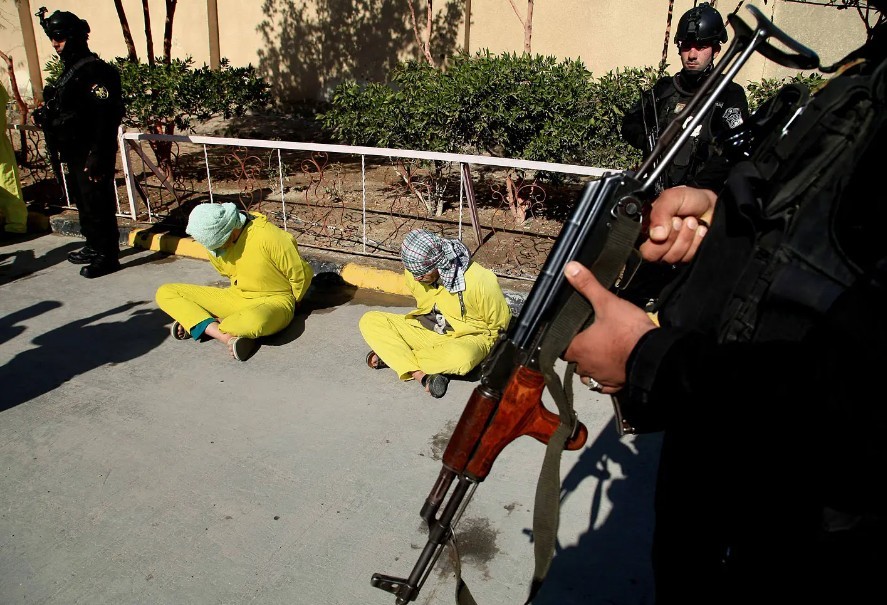
In a statement released by Iraq’s Security Media Cell, officials said that the transferred suspects were brought from Syrian territory through a coordinated operation with the Global Coalition and are now being held in high‑security detention centres.
The large number of fighters being returned underscores how Iraq remains a magnet for extremist militants and why the threat of renewed terror — through insurgent attacks, sleeper cells, or escape attempts — remains high.
Security experts warn that the sheer volume of detainees poses major challenges for Iraqi forces, not only in terms of custody and monitoring, but also potential radicalisation inside facilities and future threats once groups are released or escape.
Observers have warned that the return of large numbers of fighters and affiliated operatives could exacerbate instability, spark protests, or even fuel recruitment in areas where local governance and security are weak — meaning Iraq’s terrorism problem is far from over.
About

This platform is run by one person, but it carries the voices of many. It exists for the people of Iraq who live in fear, who cannot speak freely, and whose stories are often ignored or erased. With limited resources but deep responsibility, I report on government and power not for influence or profit, but because truth still matters. When silence is forced, this space chooses to speak — carefully, bravely, and with humanity.
Featured Posts

Subscribe now to stay updated with top news!
Subscribe now to stay updated with all the top news, exclusive insights, and weekly highlights you won’t want to miss.