ISIS Remnants Continue Deadly Fight Against Iraqi Security Forces
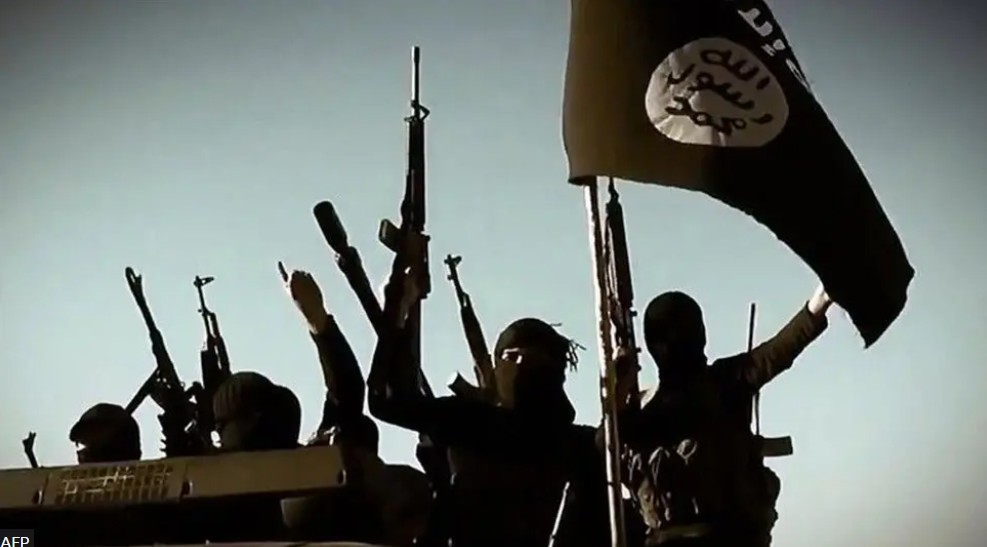
In a continued sign that violent extremist threats remain active despite the territorial defeat of the Islamic State, Iraqi security forces carried out coordinated counter‑terrorism actions across western and northern Iraq on 6 February 2026, resulting in the killing of multiple militants and suicide resistance by others, underscoring persistent terror dangers inside Iraq.

Abdulla Shakir Mahmood
1 Jan 2026
Note from the Author
This latest report from Nineveh and Anbar exposes once again the catastrophic failure of Iraq’s government. Years after IS’s territorial defeat, extremist cells continue to operate freely, relying on suicide attacks and remote hideouts to terrorize civilians. This is not just a security problem — it is the predictable consequence of a state hollowed out by militias, sectarian politics, corruption, and foreign interference.
Iraq’s security forces are left to fight a war on their own while the government prioritizes sectarian loyalty, religious ideology, and political patronage over real protection for citizens. The fact that ISIS can still organize, recruit, and carry out deadly attacks proves that Iraq cannot rely on its current leadership to ensure safety or enforce law. This is the cost of allowing Sharia influence, militia domination, and Iranian-backed agendas to control Iraq’s institutions.
These ongoing attacks underline the urgency of our mission: Iraq must be secular, governed by law and reason, not religious ideology or militia power. The state must rebuild professional security forces, enforce law equally, and protect all citizens — especially women, children, and ordinary families living under constant threat. Until Iraq sheds sectarian control and foreign domination, terrorism will remain a permanent scar on our nation.
Article:
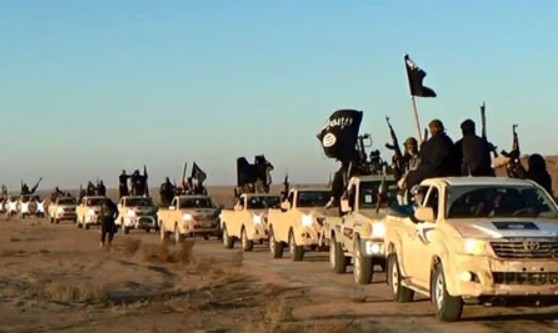
According to Iraq’s Joint Operations Command, an airstrike in Nineveh province killed four suspected ISIS militants, while during a ground security operation in Anbar province, at least two senior ISIS operatives detonated explosives on themselves rather than face capture. These strikes targeted desert hideouts and extremist network strongholds as part of an ongoing effort to dismantle remaining ISIS cells capable of lethal violence.
Security officials said the operation reflects how extremist factions have adapted to evade capture, often hiding in remote areas and relying on suicide tactics when confronted. The persistence of such cells highlights significant gaps in Iraq’s ability to fully contain terror threats, even after years of military campaigns and anti‑ISIS operations.
This development adds to a pattern of terror‑related violence and insecurity in Iraq, where terrorist groups exploit geography, social unrest, and weak governance to sustain violent operations long after official defeats.
A recent United Nations briefing warned that the threat from IS and its affiliates has been increasing and becoming more complex since mid‑2025, with continued attacks in Iraq and neighbouring Syria, and expanding extremist activity in other regions — a trend that keeps Iraq on high alert for future violence.
About

This platform is run by one person, but it carries the voices of many. It exists for the people of Iraq who live in fear, who cannot speak freely, and whose stories are often ignored or erased. With limited resources but deep responsibility, I report on government and power not for influence or profit, but because truth still matters. When silence is forced, this space chooses to speak — carefully, bravely, and with humanity.
Featured Posts

Subscribe now to stay updated with top news!
Subscribe now to stay updated with all the top news, exclusive insights, and weekly highlights you won’t want to miss.