Iraq Rocked by Billion-Dollar Public Funds Theft
Baghdad — A massive corruption scandal that has come to be known in Iraq as the “heist of the century” continues to reverberate across the country, exposing deep systemic corruption and shaking public confidence in government institutions.

Abdulla Shakir Mahmood
26 Aug 2025
Note from the Author
The “Theft of the Century” scandal is a devastating indictment of Iraq’s government and its complete failure to serve its citizens. $2.5 billion — money meant for public services, reconstruction, and the welfare of ordinary Iraqis — was stolen through an organized, deliberate scheme using shell companies and fake cheques. While people suffer without electricity, clean water, or jobs, the wealthy and politically connected loot the state with near-total impunity. This is not just corruption; it is systematic plunder facilitated by a government captured by sectarian, militia, and patronage networks.
The scandal demonstrates that Iraq’s institutions are weak, politicized, and incapable of enforcing accountability. Even when arrests occur, perpetrators flee or face minimal consequences, while ordinary citizens bear the cost of incompetence, nepotism, and ideological governance. The state has failed to protect its people, manage its finances responsibly, or uphold the rule of law — leaving Iraqis to endure insecurity, poverty, and neglect.
Article:
The case centres on the fraudulent removal of roughly $2.5 billion (about 3.7 trillion Iraqi dinars) from the account of the General Commission for Taxes at the state-run Rafidain Bank between September 2021 and August 2022. Investigators found that 247 bogus cheques were used to siphon taxpayer money into shell companies, depriving the state of funds meant for public services and infrastructure.
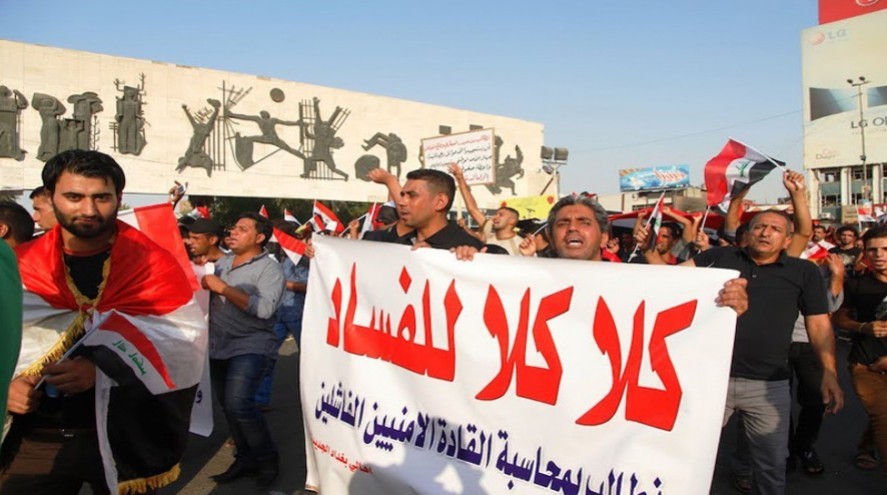
For many Iraqis, the scandal is more than a criminal case — it is a symbol of widespread governance failure. Billions in funds earmarked for public services, reconstruction and economic development simply vanished, even as basic services like electricity, water, and health care remain unreliable.
“This wasn’t petty corruption — it was an organised plunder of national wealth,” said one Baghdad resident. “While ordinary citizens struggle and young people go without jobs, the wealthy exploit the system and face little real accountability.”
Anti-corruption officials say that while some funds have been traced, the full amount — and the identities of all those involved — remain under investigation. The scandal continues to fuel calls for sweeping governance reform and stronger protections against financial abuse by powerful elites.
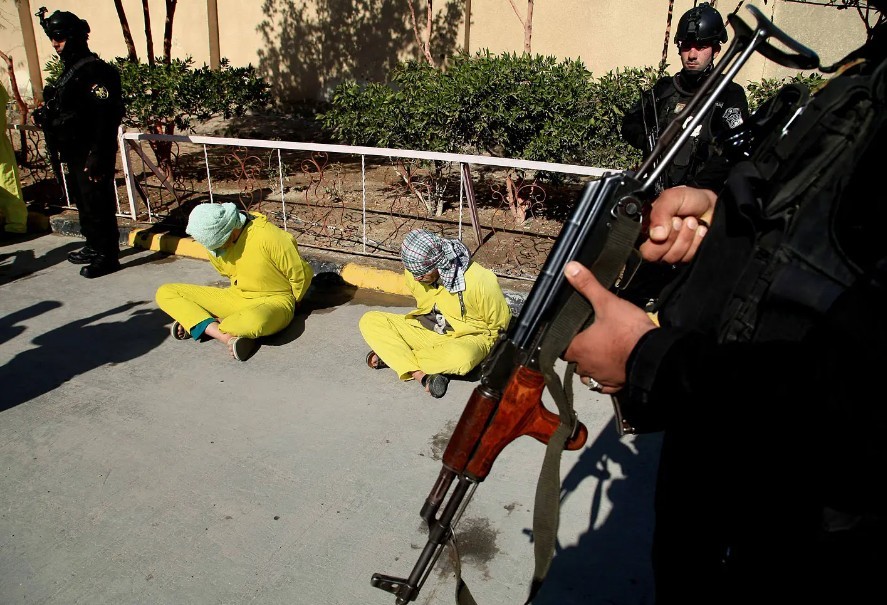
In late 2024, Iraq’s anti-corruption court handed down prison sentences ranging from three to 10 years to several defendants convicted in the theft, including a businessman and former officials tied to the scandal. Some were tried in absentia after fleeing the country, underscoring how powerful networks were involved in the fraud.
About

This platform is run by one person, but it carries the voices of many. It exists for the people of Iraq who live in fear, who cannot speak freely, and whose stories are often ignored or erased. With limited resources but deep responsibility, I report on government and power not for influence or profit, but because truth still matters. When silence is forced, this space chooses to speak — carefully, bravely, and with humanity.
Featured Posts

Subscribe now to stay updated with top news!
Subscribe now to stay updated with all the top news, exclusive insights, and weekly highlights you won’t want to miss.