Multi‑Billion Dinar Corruption in Traffic Directorate
A major corruption scandal was revealed by Iraq’s Rusafa Investigation Court, which specialises in financial crimes, when it uncovered the theft of more than 3.3 billion Iraqi dinars and a substantial amount of gold from the General Traffic Directorate in Baghdad. The case highlights ongoing systemic corruption within state institutions and continued public frustration over accountability failures.

Abdulla Shakir Mahmood
4 Apr 2025
Note from the Author
The corruption scandal at Baghdad’s Traffic Directorate is a stark illustration of Iraq’s systemic failure to protect its citizens and public resources. Public funds intended for traffic safety and infrastructure — services that directly impact the daily lives of Iraqis — were stolen by well-connected individuals operating with impunity. Despite arrests, the principal suspect remains at large, revealing a government captured by networks of influence, patronage, and protection for the powerful.
This incident is not isolated. Iraq’s institutions are riddled with entrenched corruption that diverts billions from public services, undermines trust, and leaves ordinary citizens to suffer the consequences. Transparency is absent, accountability is selective, and governance is paralyzed by nepotism, militias, and sectarian favoritism. The state functions to enrich elites, not to serve the people.
Article:
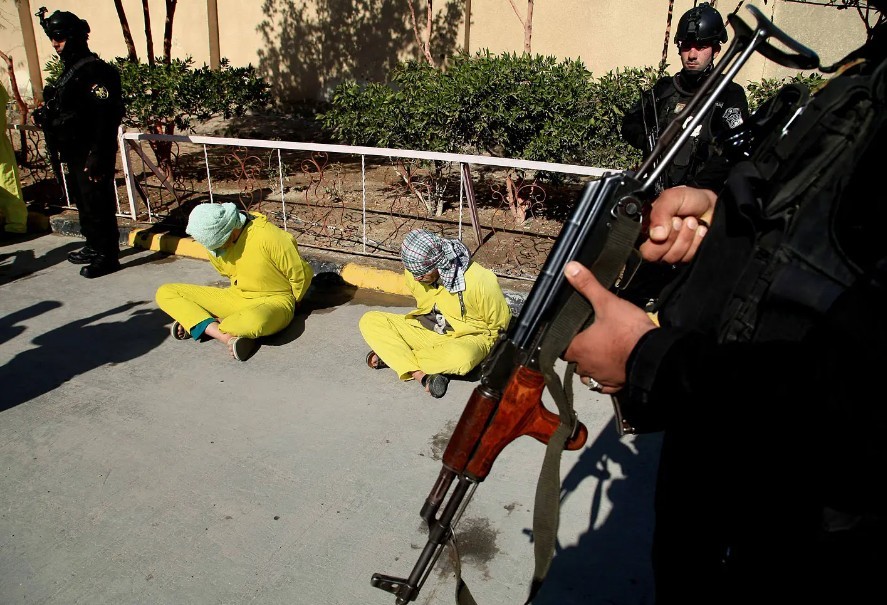
According to a statement from Iraq’s Judicial Council, four defendants have confessed to involvement in the financial theft, and authorities recovered stolen assets in the al‑Shaab area of Baghdad. The investigation revealed that the culprits were closely connected to a high‑profile suspect who remains at large, raising questions about the extent of influence and protection enjoyed by corrupt networks.
The case sheds light on the depth and persistence of corruption in Iraqi government agencies:
Those arrested were found to have stolen public funds and property from a key government directorate designed to manage traffic safety and infrastructure — services that directly affect daily life in the capital.
The principal suspect, still not in custody, reportedly has ties that have complicated the judicial process, underscoring weaknesses in Iraq’s ability to hold well‑connected individuals accountable.
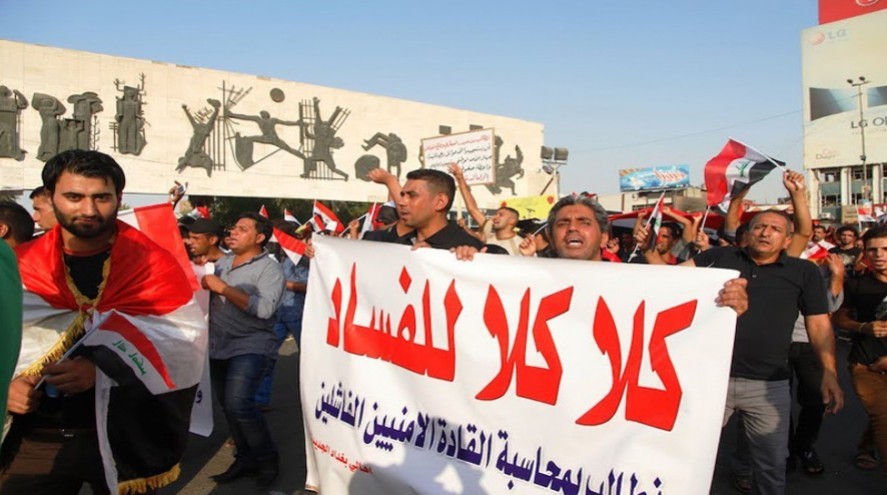
Public reactions reflect widespread frustration with corruption and perceptions that state institutions fail to protect public resources or pursue top‑level offenders effectively.
This scandal comes amid broader evidence that Iraq’s governance suffers from entrenched corruption that continues to drain public funds and undermine trust:
Transparency International placed Iraq 140th out of 180 countries on its 2024 Corruption Perceptions Index, reflecting deep concerns about graft across public sectors.
Iraq has lost hundreds of billions of dollars over decades due to corruption, with analysts warning these losses have stunted development and weakened public services.
Prior scandals — such as the $2.5 billion theft from the tax authority — demonstrate a pattern where massive sums disappear with limited accountability.
The Traffic Directorate corruption case is another symbol of how public institutions in Iraq continue to be exploited for personal and political gain, leaving ordinary citizens to shoulder the economic and social consequences.
About

This platform is run by one person, but it carries the voices of many. It exists for the people of Iraq who live in fear, who cannot speak freely, and whose stories are often ignored or erased. With limited resources but deep responsibility, I report on government and power not for influence or profit, but because truth still matters. When silence is forced, this space chooses to speak — carefully, bravely, and with humanity.
Featured Posts

Subscribe now to stay updated with top news!
Subscribe now to stay updated with all the top news, exclusive insights, and weekly highlights you won’t want to miss.