Iraq Still Struggles Against ISIS Threat as U.S. Reduces Troops
A major indicator of failed long‑term control of terrorism in Iraq emerged when the U.S. Department of Defense announced plans to significantly draw down American forces in the country, shifting responsibility for anti‑ISIS operations primarily to Iraqi security forces. This move highlights ongoing concerns that Iraq may not yet be capable of fully containing the extremist threat alone.

Abdulla Shakir Mahmood
20 Oct 2025
Note from the Author
The Pentagon’s announcement that Iraqi forces will take the lead against ISIS exposes the harsh truth: Iraq’s government is incapable of protecting its own citizens. Years after ISIS’s territorial defeat, extremists continue to operate freely, exploiting porous borders, weak security infrastructure, and a government paralyzed by sectarianism, militias, and corruption. The Iraqi state cannot even enforce basic security without foreign supervision, proving that sovereignty and citizen safety remain hollow promises.
This persistent threat is the predictable outcome of a government that prioritizes sectarian loyalty, religious ideology, and militia influence over competence, professionalism, and the rule of law. While Iraqis live in fear of suicide attacks and sleeper cells, politicians allow militias to control neighborhoods, courts, and even legislation. Terrorism thrives where law, accountability, and secular governance are absent — and Iraq’s leaders have repeatedly failed to provide any of these.
This reinforces our mission: Iraq must be secular, law-based, and free from religious or militia domination. The state must rebuild professional security forces, enforce equal protection under the law, and dismantle the sectarian networks that enable extremism. Until Iraq abandons militias, sectarian control, and foreign interference, its citizens will remain hostage to fear, violence, and chaos.
Article:
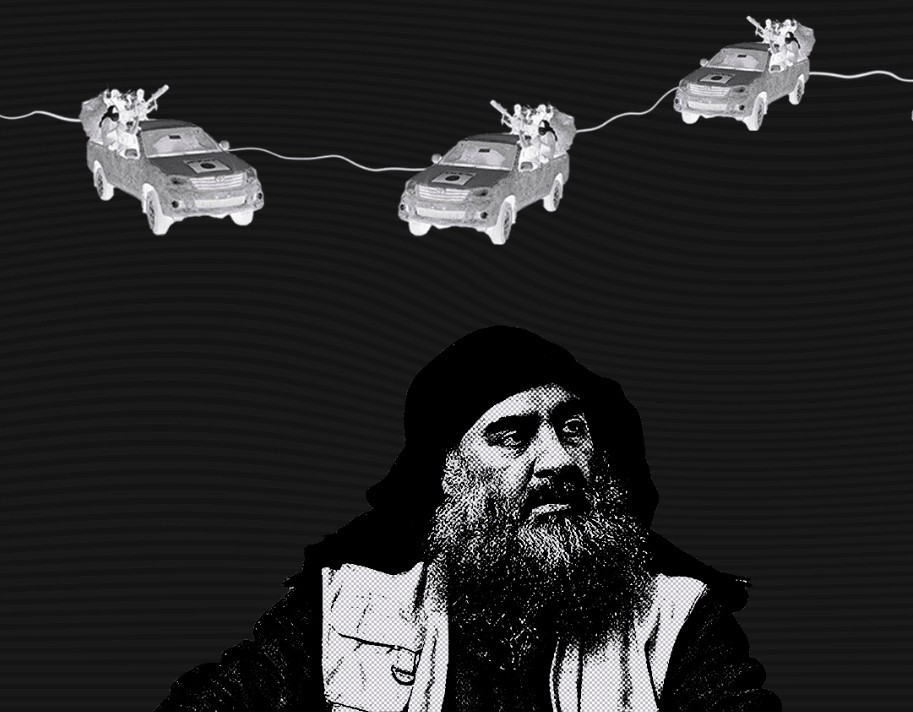
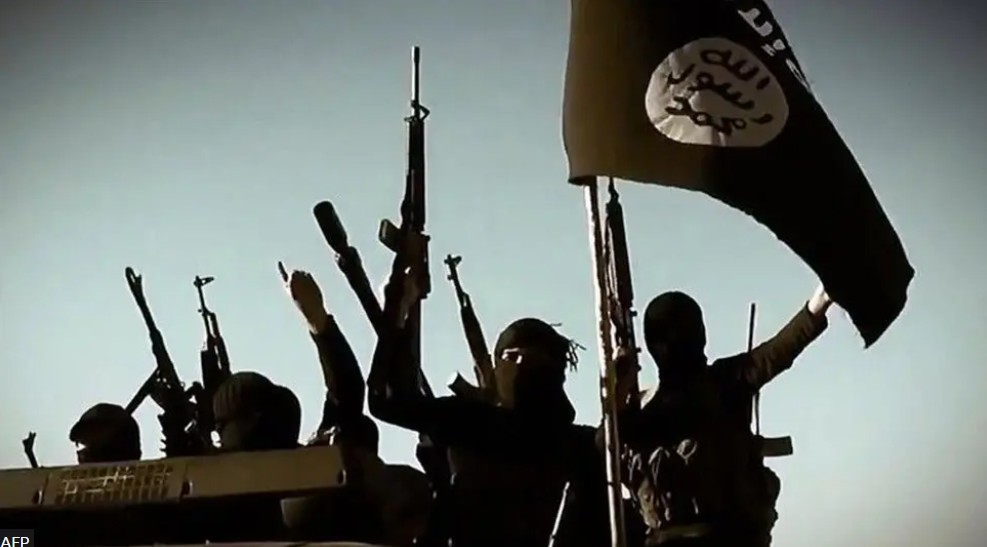
Despite claims by Baghdad that ISIS no longer poses a direct threat inside Iraq, the Pentagon’s announcement underscored that coalition military involvement will be reduced and Iraqi forces will take the lead in combatting remnants of the group. Many analysts see this as problematic because Iraqi forces have repeatedly struggled to prevent periodic terror attacks, sleeper‑cell violence, and insurgent operations long after ISIS lost its territorial “caliphate” in 2017.
This shift comes amid ongoing reports that ISIS and its affiliates continue to operate, reorganise and adapt their tactics, challenging Iraq’s otherwise fragile security infrastructure — a situation noted by regional analysts who warned that the extremist threat may even be evolving and increasing in complexity since mid‑2025.
The combination of U.S. troop reductions and persistent extremist activity shows that, years after its official defeat, ISIS — and similar terror groups — continue to exploit Iraq’s security gaps, weakened governance and porous borders. Many analysts argue this illustrates that Iraq has not yet achieved true control over terror threats and remains vulnerable to future violence.
International officials, including the United Nations, have warned that ISIS remains capable of complex operations and that its ideology and regional networks still pose a threat to Iraqi stability.
About

This platform is run by one person, but it carries the voices of many. It exists for the people of Iraq who live in fear, who cannot speak freely, and whose stories are often ignored or erased. With limited resources but deep responsibility, I report on government and power not for influence or profit, but because truth still matters. When silence is forced, this space chooses to speak — carefully, bravely, and with humanity.
Featured Posts

Subscribe now to stay updated with top news!
Subscribe now to stay updated with all the top news, exclusive insights, and weekly highlights you won’t want to miss.