>
>
Personal Status Law Amendments in Iraq Spark Outcry Over Rollback of Women’s Rights
Personal Status Law Amendments in Iraq Spark Outcry Over Rollback of Women’s Rights
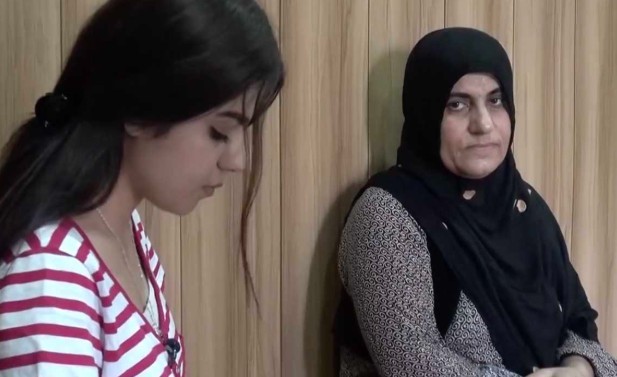
In 2025, Iraq’s Parliament passed significant amendments to the country’s Personal Status Law, widely criticised by human rights groups as severely undermining women’s and girls’ rights. The revised law has been described as institutionalising discrimination against women, effectively relegating them to second‑class citizenship under the law.

Abdulla Shakir Mahmood
Note from the Author
The rollback of women’s rights in Iraq through the amended Personal Status Law is a blatant violation of basic human dignity and equality — and it shows a government that has surrendered to religious and patriarchal pressures at the expense of half its citizens. Rather than protecting women and girls, Iraq’s legislature has codified discrimination, giving husbands more legal control over marriage and divorce, stripping women of autonomy, and undermining parental rights over children in ways that favour male authority.
This legal regression is not a minor adjustment ,it is a systematic dismantling of protections that women had fought for over decades. It happens against a backdrop of increasing harassment, violence, and limited accountability for abusers, illustrating how both law and enforcement prioritize tradition, religion, and male dominance over the safety and rights of women.
The state’s failure to uphold equal rights under law highlights a deeper crisis: Iraq’s political system continues to allow religious influence and sectarian power to override fundamental human rights. Women and girls are left more vulnerable, with fewer legal safeguards, at a time when violence against them is rising — including harassment in public, child and forced marriage, and legal systems that favour men.
Article:
According to Human Rights Watch, the new code contains multiple provisions that strip women of agency over their lives. It allows husbands to convert the governing legal code of a marriage without the wife’s consent, enables divorce without notifying the woman, and automatically transfers child custody to the father after age seven — regardless of the child’s best interests.
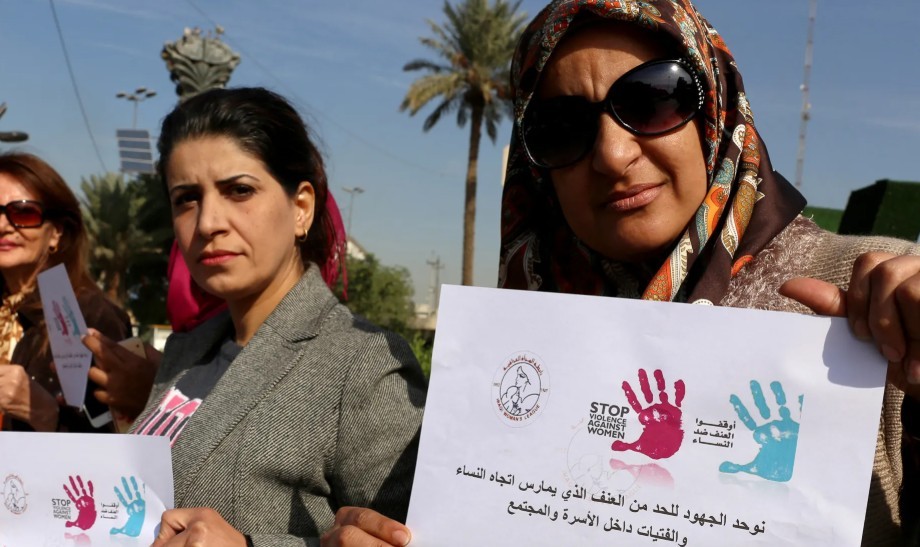
Iraqi women’s rights organisations have also reported that these legal changes represent the peak of a sharp regression in women’s rights over recent years, especially when combined with rising social tolerance for harassment and violence. The Iraqi Women’s Network warned that the new laws represent a serious threat to women’s equality and personal freedoms.
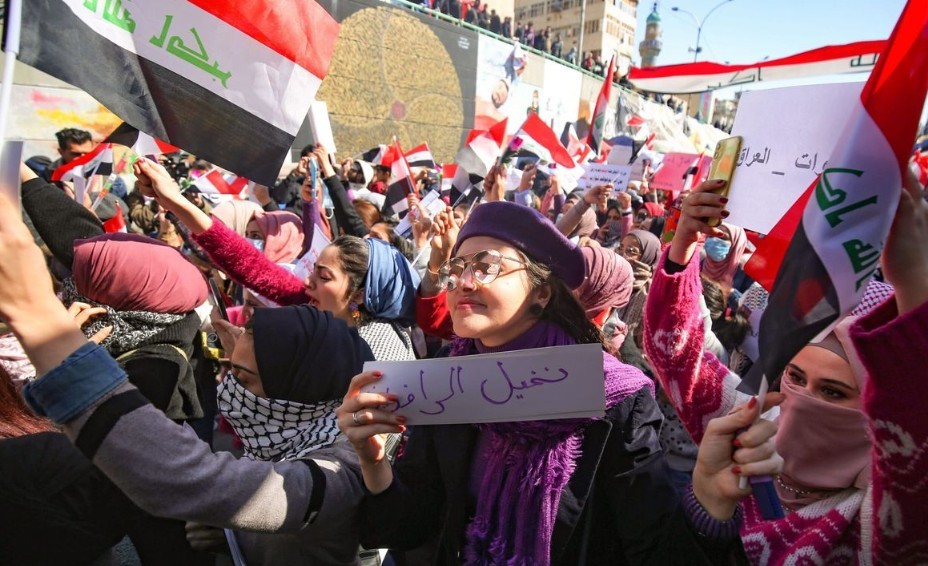
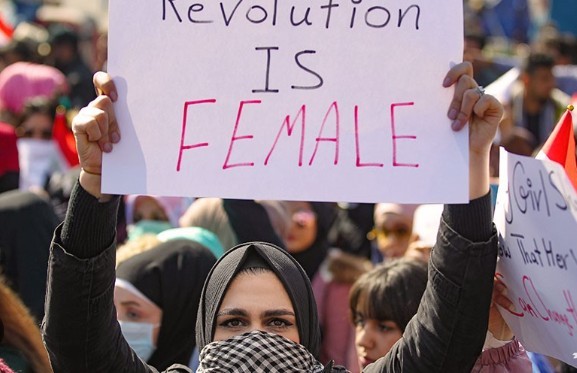
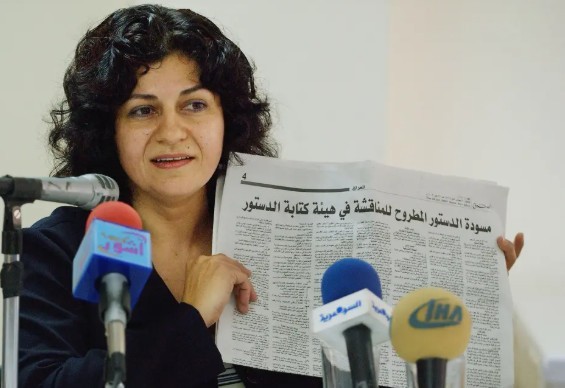
These amendments were passed despite widespread opposition from women’s rights activists, civil society, and international organisations, which argue that they align family law more closely with religious doctrine and weaken protections against discrimination, domestic violence, and child marriage.
About

This platform is run by one person, but it carries the voices of many. It exists for the people of Iraq who live in fear, who cannot speak freely, and whose stories are often ignored or erased. With limited resources but deep responsibility, I report on government and power not for influence or profit, but because truth still matters. When silence is forced, this space chooses to speak — carefully, bravely, and with humanity.
Featured Posts






Subscribe now to stay updated with top news!
Subscribe now to stay updated with all the top news, exclusive insights, and weekly highlights you won’t want to miss.