>
>
Armed tribal clashes in southern Iraq highlight limits of state control over local security
Armed tribal clashes in southern Iraq highlight limits of state control over local security
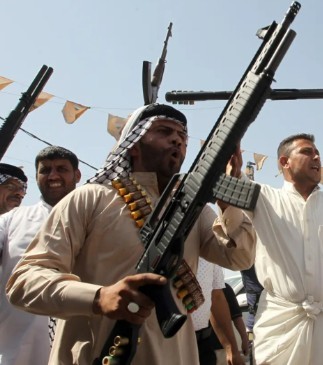
Security monitoring reports and local coverage indicated renewed armed clashes between rival tribes in southern Iraq, particularly in areas of Basra and Maysan.

Abdulla Shakir Mahmood
AUTHORS NOTE:
This kind of incident shows something more serious than just local conflict it exposes the limits of state authority when confronted with deeply rooted, armed social structures.
In theory, the state holds the monopoly on the use of force. In practice, these clashes demonstrate that multiple actors still possess both the means and the willingness to use force independently. The fact that security forces often move in after escalation, rather than preventing it, suggests that deterrence is incomplete.
Even more telling is the reliance on tribal mediation to end violence. While this can be effective in the short term, it also reinforces the idea that lasting resolution does not always come from the legal system, but from negotiated social power between groups.
Over time, this creates a layered security reality: the state is present, but not always decisive; tribes are informal, but often immediately effective. That balance does not mean tribes control Iraq but it does mean the state does not fully dominate security at the local level, especially in areas where tribal identity remains stronger than institutional authority.
ARTICLE:
Around 21 April 2026, security monitoring reports and local coverage indicated renewed armed clashes between rival tribes in southern Iraq, particularly in areas of Basra and Maysan. These confrontations involved the use of medium and light weapons, including rifles and machine guns, and led to temporary road closures and disruption of daily life in affected areas.
Iraqi security forces, including army and police units, were deployed to contain the violence, impose curfews, and separate the conflicting groups. However, reports noted that interventions often occurred after clashes had already escalated, with authorities relying on mediation efforts involving tribal leaders to restore calm rather than solely enforcing state law.
Such incidents are part of a recurring pattern in southern Iraq, where tribal disputes—sometimes linked to land, business interests, or personal conflicts—can escalate into armed confrontations despite the formal presence of state security institutions.
About

This platform is run by one person, but it carries the voices of many. It exists for the people of Iraq who live in fear, who cannot speak freely, and whose stories are often ignored or erased. With limited resources but deep responsibility, I report on government and power not for influence or profit, but because truth still matters. When silence is forced, this space chooses to speak — carefully, bravely, and with humanity.
Featured Posts



Subscribe now to stay updated with top news!
Subscribe now to stay updated with all the top news, exclusive insights, and weekly highlights you won’t want to miss.