>

>

Tribal authority expands in southern Iraq as state enforcement weakens in local disputes

Tribal authority expands in southern Iraq as state enforcement weakens in local disputes

Governance and Security assessments highlighted the continued expansion of tribal authority in parts of southern Iraq

Abdulla Shakir Mahmood
AUTHORS NOTE:
What this situation reveals is not that tribes are “taking over the country,” but something more subtle and in many ways more concerning: the gradual substitution of state authority in everyday life.

When people turn to tribal systems instead of courts, it is often because those systems are faster, more predictable, or more trusted locally. But over time, this creates a parallel structure of governance, one that operates outside formal law, without standardized procedures, and without the same accountability mechanisms.

The risk here is not immediate collapse of the state, but fragmentation of authority. If dispute resolution, enforcement, and even punishment are increasingly handled through informal systems, the role of national institutions becomes weaker in practice, even if it remains intact on paper.

This dynamic is especially significant in areas already affected by economic pressure and security instability. It suggests that governance in Iraq is not only shaped by politics and militias, but also by long-standing social structures that can fill gaps left by the state sometimes stabilizing locally, but also complicating the development of a unified legal system.

ARTICLE:
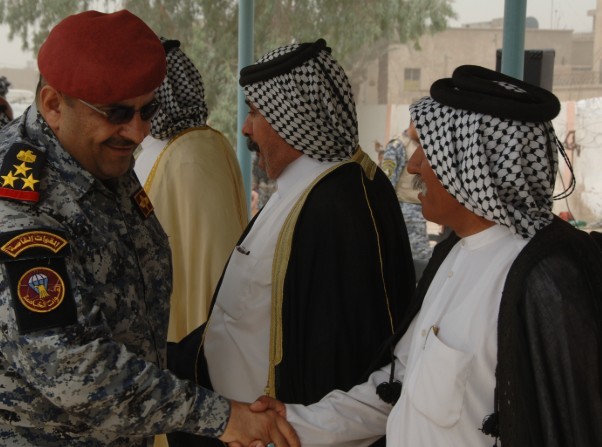
In mid-April 2026, governance and security assessments highlighted the continued expansion of tribal authority in parts of southern Iraq, particularly in provinces such as Basra, Dhi Qar, and Maysan. Reports indicate that tribal leaders increasingly mediate disputes ranging from criminal cases to economic disagreements, often outside formal judicial systems.

In several documented cases, tribal settlements—known locally as “fasl” agreements—were used to resolve conflicts involving property, business disputes, and even serious incidents that would typically fall under state courts. These arrangements sometimes include financial compensation, social sanctions, or forced agreements between families or clans.

Observers note that this trend is driven by a combination of factors, including slow judicial processes, limited trust in state institutions, and the enduring social authority of tribal structures in many communities. Iraqi authorities have periodically acknowledged the issue and called for stronger reliance on formal legal institutions, but enforcement remains inconsistent across regions.

About

This platform is run by one person, but it carries the voices of many. It exists for the people of Iraq who live in fear, who cannot speak freely, and whose stories are often ignored or erased. With limited resources but deep responsibility, I report on government and power not for influence or profit, but because truth still matters. When silence is forced, this space chooses to speak — carefully, bravely, and with humanity.

Featured Posts
Related Post

21 May 2026

/

Post by

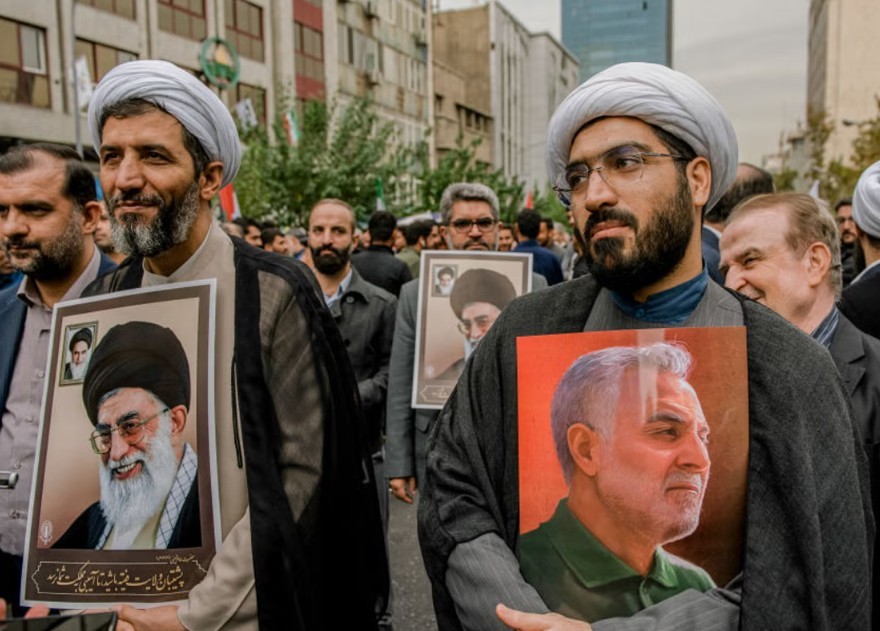
Iraqi authorities issued renewed warnings over the risk of regional escalation spilling into Iraq as tensions linked to Iran and Iran-aligned armed groups continue to affect the country’s security and economic stability.

16 May 2026

/

Post by

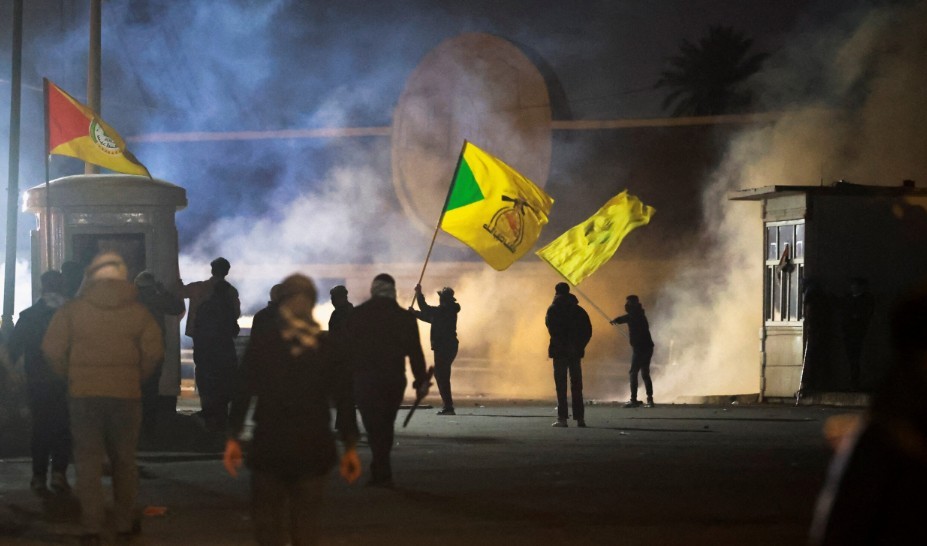
Iraqi security and political discussions continued to focus on the influence of Iran-aligned armed groups operating within the Popular Mobilization Forces framework

3 May 2026

/

Post by

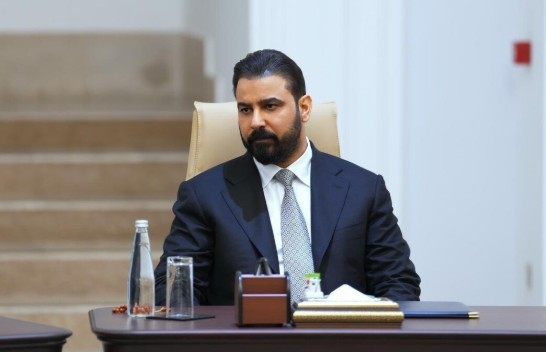
Iraq faced renewed political paralysis following delays in finalising the formation of a new government after months of negotiation failures among major parliamentary blocs.

30 Apr 2026

/

Post by

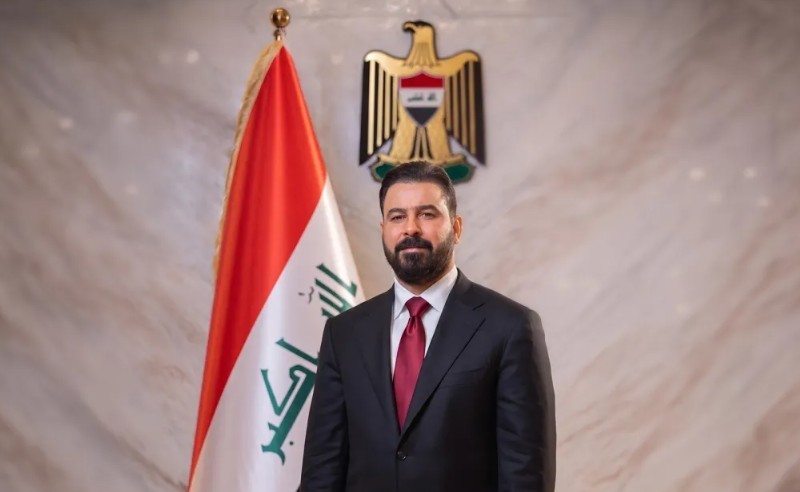
Iraq’s dominant Shiite political alliance formally nominated Ali al-Zaidi, a businessman with no prior government or parliamentary experience

22 Apr 2026

/

Post by

The United States has halted a shipment of approximately $500 million in physical US dollars intended for Iraq and suspended elements of its security cooperation with Baghdad.

16 Apr 2026

/

Post by

During mid-April 2026, Iraq’s political process in Baghdad faced renewed stagnation as rival parliamentary blocs struggled to agree on key positions in forming a new or reshuffled government structure.

21 May 2026

/

Post by

Iraqi authorities issued renewed warnings over the risk of regional escalation spilling into Iraq as tensions linked to Iran and Iran-aligned armed groups continue to affect the country’s security and economic stability.

16 May 2026

/

Post by

Iraqi security and political discussions continued to focus on the influence of Iran-aligned armed groups operating within the Popular Mobilization Forces framework

3 May 2026

/

Post by

Iraq faced renewed political paralysis following delays in finalising the formation of a new government after months of negotiation failures among major parliamentary blocs.

30 Apr 2026

/

Post by

Iraq’s dominant Shiite political alliance formally nominated Ali al-Zaidi, a businessman with no prior government or parliamentary experience

Subscribe now to stay updated with top news!

Subscribe now to stay updated with all the top news, exclusive insights, and weekly highlights you won’t want to miss.
This platform is run by one person, but it carries the voices of many. It exists for the people of Iraq who live in fear, who cannot speak freely, and whose stories are often ignored or erased. With limited resources but deep responsibility, I report on government and power not for influence or profit, but because truth still matters. When silence is forced, this space chooses to speak — carefully, bravely, and with humanity.

© 2026 iraqi-insider. All rights reserved.

This platform is run by one person, but it carries the voices of many. It exists for the people of Iraq who live in fear, who cannot speak freely, and whose stories are often ignored or erased. With limited resources but deep responsibility, I report on government and power not for influence or profit, but because truth still matters. When silence is forced, this space chooses to speak — carefully, bravely, and with humanity.

© 2026 iraqi-insider. All rights reserved.

This platform is run by one person, but it carries the voices of many. It exists for the people of Iraq who live in fear, who cannot speak freely, and whose stories are often ignored or erased. With limited resources but deep responsibility, I report on government and power not for influence or profit, but because truth still matters. When silence is forced, this space chooses to speak — carefully, bravely, and with humanity.

© 2026 iraqi-insider. All rights reserved.