Human Rights abuses and economic exploitation by PMF factions.
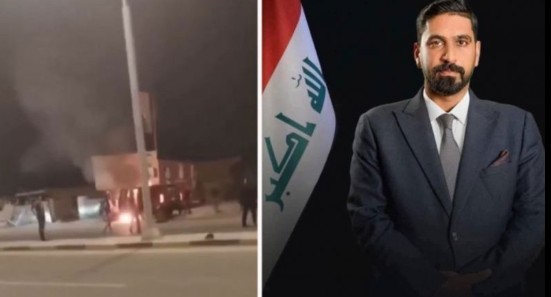
Mohammed Shia al-Sudani has dismissed two senior commanders of the Popular Mobilisation Forces (PMF) following a deadly armed attack on a government office in Baghdad in late July, a case that has intensified criticism of the PMF’s autonomy and lack of discipline.

Abdulla Shakir Mahmood
Note from the Author
The July 27 attack on Baghdad’s Agriculture Directorate is yet another proof that Iraq’s government is powerless in the face of Iran-aligned militias. Kataib Hezbollah fighters stormed a government building, killed civilians and security personnel, and acted with complete impunity — all while being officially “integrated” into Iraq’s security forces. This is not integration; it is infiltration. Militias operate autonomously, control state resources, and undermine law and accountability at every level.
This incident exposes the dangerous reality that armed sectarian factions are more powerful than the state itself. When militia fighters can launch attacks on government institutions and act above the law, Iraqi citizens are left defenseless, and the government is reduced to a powerless observer. Corrupt officials coordinate with these armed groups, further entrenching sectarian power and eroding public trust. This is a direct consequence of allowing militias, religious ideology, and foreign influence to dominate Iraq’s institutions.
Article:
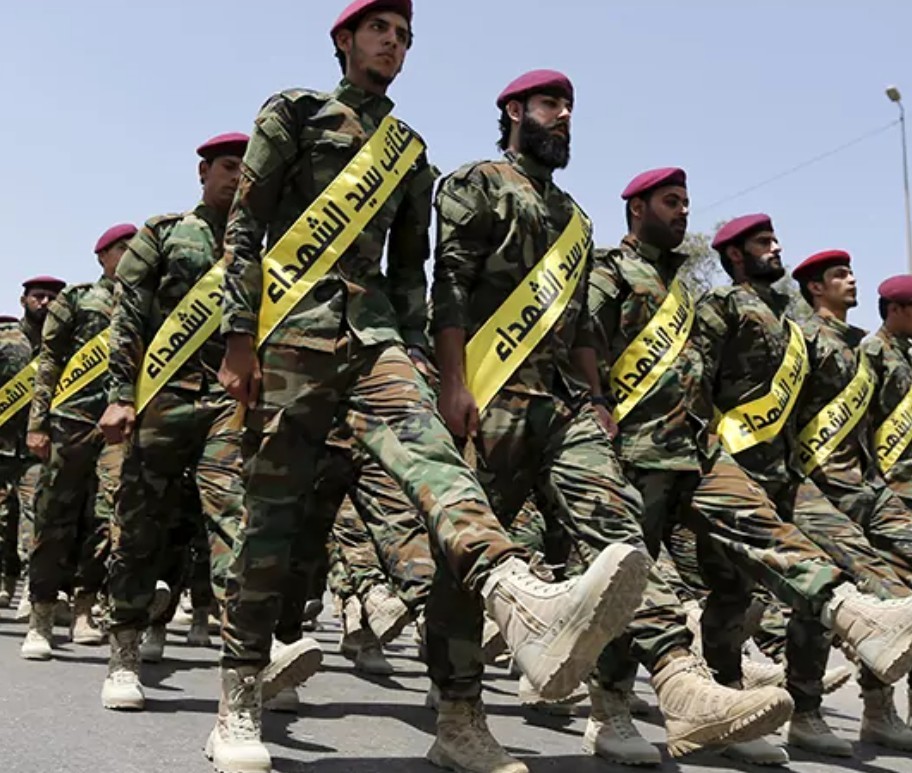
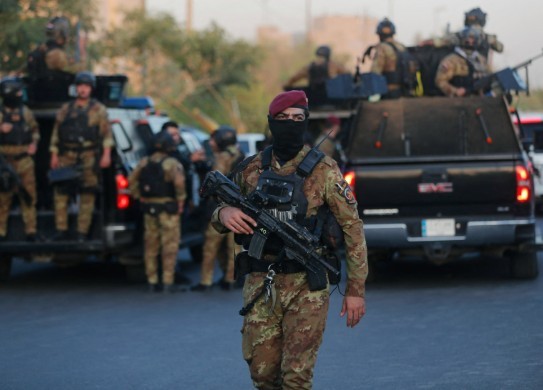
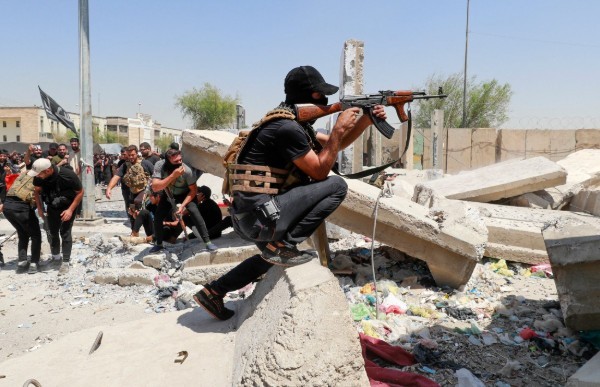
An official investigation concluded that armed elements from Kataib Hezbollah — an Iran-aligned militia faction within the PMF — stormed the Agriculture Directorate building in Baghdad’s Karkh district without authorization, opened fire on security forces, and caused multiple deaths and injuries. The report cited a “failure in command and control” and behaviour “contrary to military protocols,” raising serious concerns about the PMF’s integration into Iraq’s official security framework.
The July 27 incident left several civilians and security personnel killed and wounded after militia fighters moved without orders and used force against state security forces.
The government identified that fighters linked to the PMF’s 45th and 46th brigades of Kataib Hezbollah initiated the unauthorised attack, prompting the dismissals.
Officials also determined that the local director of the Agriculture Directorate had coordinated with the armed group, implicating him in corruption, forgery, and unlawful seizure of property.
The incident has sparked public concern and criticism among analysts and civil society observers, who argue that it exposed deep weaknesses in oversight and accountability within the PMF — even though the group is officially integrated into Iraq’s security forces. Many Iraqis see this as evidence that elements of the PMF operate with a degree of autonomy that undermines state control and endangers civilians.
Critics also pointed to the wider problem of militias exploiting their status, citing how Iran-aligned factions within the PMF have grown powerful and politically influential, often resisting attempts to reform or rein them in — a dynamic that has drawn concern from both domestic figures and international partners.
About

This platform is run by one person, but it carries the voices of many. It exists for the people of Iraq who live in fear, who cannot speak freely, and whose stories are often ignored or erased. With limited resources but deep responsibility, I report on government and power not for influence or profit, but because truth still matters. When silence is forced, this space chooses to speak — carefully, bravely, and with humanity.
Featured Posts

Subscribe now to stay updated with top news!
Subscribe now to stay updated with all the top news, exclusive insights, and weekly highlights you won’t want to miss.