Outrage in Iraq After Militia Tortures and Kills Young Sunni Man in Samarra
Iraq was rocked by public outrage and criticism after the tortured and mutilated body of Ziad Tariq al‑Bazi — a 24‑year‑old Sunni man from Samarra — was found by local authorities following his abduction near a security interaction point. The case has intensified concerns over militia brutality and a lack of accountability in parts of the country still grappling with sectarian tensions.

Abdulla Shakir Mahmood
Note from the Author
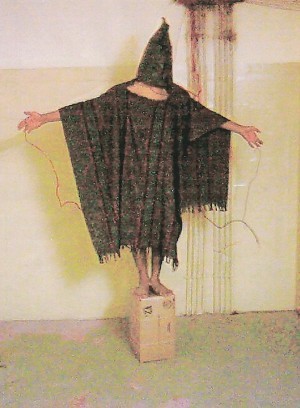
The horrific murder of al-Bazi in Samarra is a shocking demonstration of how militias have seized power in Iraq, operating with impunity and terrorizing civilians. Abducted between government and militia checkpoints, tortured, burned, and mutilated, al-Bazi became a victim not only of a brutal crime but of a state that has surrendered authority to sectarian armed groups. This is not justice — it is a warning to anyone who dares live or dissent outside militia control.
This incident exposes the lethal consequences of a government dominated by armed factions, foreign influence, and sectarian ideology. Ordinary Iraqis cannot rely on security forces or the rule of law when militias kidnap, torture, and execute with political backing and minimal oversight. Impunity and corruption allow these atrocities to continue, traumatizing families, dividing communities, and eroding public trust in the state.
Article:
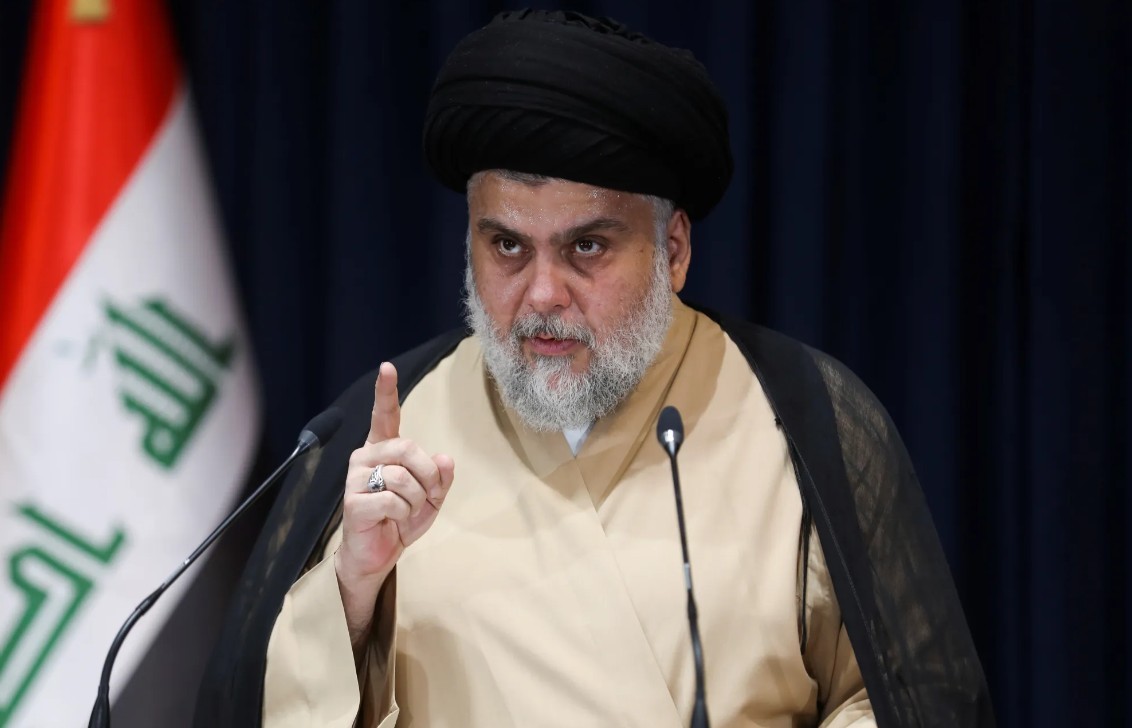
According to local and regional reports, al‑Bazi disappeared on 7 April 2025 while between a government checkpoint and a checkpoint controlled by the Saraya al‑Salam militia — a Shia‑aligned group affiliated with followers of cleric Muqtada al‑Sadr. His family later discovered his body on 10 April in a rural area outside Samarra, showing extreme signs of violence and torture: mutilated wounds, burns from what appeared to be a corrosive substance (likely acid), and other marks of brutal treatment that shocked observers and residents alike.
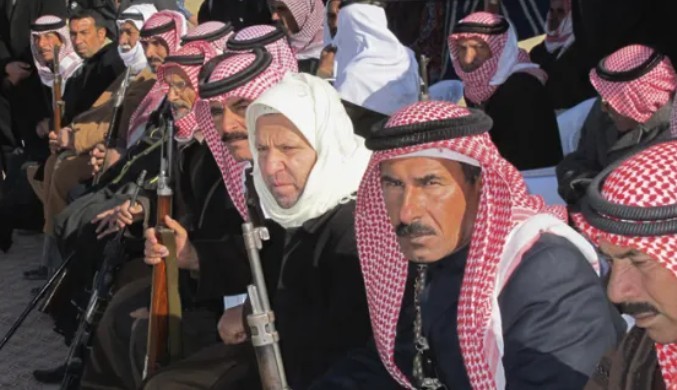
The discovery of al‑Bazi’s body sparked widespread condemnation among Sunni politicians, civil society groups, and human‑rights advocates, who called the killing “a blatant act of terror and sectarian intimidation.” Local tribal leaders and community figures said the incident underscored a chronic problem of impunity for militia‑linked violence and ongoing insecurity in regions where state control is weak and non‑state armed groups exert influence.
Critics pointed out that this was not an isolated case but part of a broader pattern where armed militia factions — operating with political ties and limited oversight — have been accused of abductions, torture, and extrajudicial killings, particularly against civilians from minority or opposing sectarian communities. Observers warned that such brutality not only traumatizes families and towns like Samarra but also fuels deeper sectarian divisions and mistrust of security institutions.
About

This platform is run by one person, but it carries the voices of many. It exists for the people of Iraq who live in fear, who cannot speak freely, and whose stories are often ignored or erased. With limited resources but deep responsibility, I report on government and power not for influence or profit, but because truth still matters. When silence is forced, this space chooses to speak — carefully, bravely, and with humanity.
Featured Posts


Subscribe now to stay updated with top news!
Subscribe now to stay updated with all the top news, exclusive insights, and weekly highlights you won’t want to miss.