Shams's Story — Part 1: The Life I Refuse to Live
Some fears don’t stay behind when you leave a country. They pack themselves into your suitcase. Mine has one name: Iraq. In a world where fathers, uncles and tribes decide who a girl marries and how far she’s allowed to go, Shams tells the story of the life she is fighting not to return to.
Abdulla Shakir Mahmood
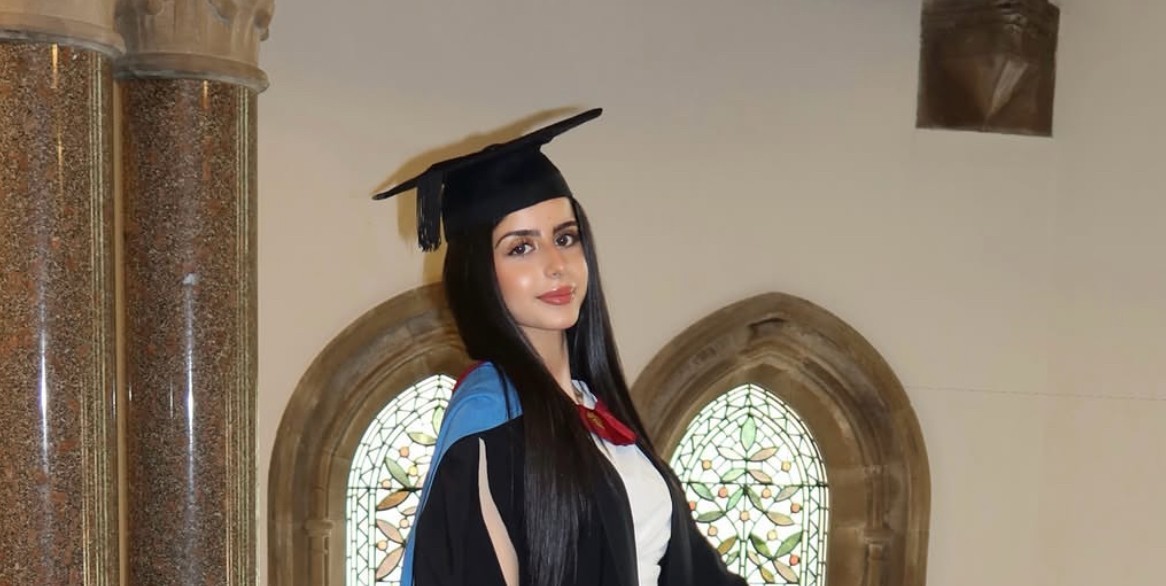
The fear that follows me
Some fears don't stay behind when you leave a country. They pack themselves into your suitcase. They sit beside you at night. Mine has one name: Iraq.
My name is Shams. When people hear that I'm afraid to go back, they often picture war and bombs. What keeps me awake is quieter, and in some ways worse.
It's the thought of returning to a world where my life would not really be mine. Who I marry, whether I study, how far I'm allowed to go: all of it decided in rooms I'm never invited into.
I'm writing this so the girl I am today gets to speak before anyone else tries to speak for her.
The walls around a girl's life
A wedding I never agreed to
In the world I'm afraid of, a girl's marriage is not a love story. It's a deal struck between fathers, uncles and tribes. A cousin picked out for her years ago. A stranger chosen because his family is useful. Sometimes a girl is handed over as the price of peace between two feuding families, as if she were a payment rather than a person.
Her "yes" is assumed. Her "no" is treated as rebellion. Saying no can mean shame, threats, being cut off by the people who raised her, or worse.
I refuse to be anyone's bargaining chip. A marriage without real consent is not a marriage. It's a sentence.
Dreams with a lock on them
I have plans. I want to finish my studies, build a career, earn my own money and travel without asking anyone's permission. For millions of girls around the world, these are ordinary things. For a girl like me, every one of them can become a fight.
When a girl is pulled out of school, or told a job is "not for women", it isn't just one lost chance. It's a door slammed on her whole future. She ends up relying on her father, then her husband, for every coin and every decision.
My ambitions don't shrink because I was born a girl.
A silence that protects everyone but her
Violence hides easily behind closed doors. A woman who is hurt is told to keep quiet for the family's honour, for the children, for what the neighbours might say. She may have no money, nowhere to go, and every reason to believe that speaking up will only make it worse.
So the silence protects everyone except the one person who needs protecting. I won't accept that silence as normal.
Caught between two voices
The hardest part isn't any single rule. It's living with two voices in my head. One tells me I have rights. The other reminds me what happens to girls who try to use them.
On paper, women in Iraq are protected by law. But a law is only as strong as a girl's ability to reach it. When the people controlling her life are her own family or tribe, that law can feel a thousand miles away.
Tradition can be beautiful. It should never be turned into a weapon against the girls who grow up inside it.
Why I won't stay quiet
Speaking out is risky for a girl like me. Staying silent is riskier.
I'm telling my story because so many girls never get the chance to tell theirs. They're married before they can vote, pulled from classrooms before they can dream, and taught that obedience is the same thing as safety. If my voice can stand in for even a few of them, then this fear has been worth something.
I'm not asking for privileges. I'm asking for the basics: to be safe, to be respected, to be treated as an equal, and to choose my own path.
My life is mine. My future is mine. No family, tribe or tradition has the right to take either of them from me.
Part 2 steps back from my own story to look at the bigger picture: child marriage in Iraq, the legal changes putting girls at risk, and what the numbers reveal.
About

This platform is run by one person, but it carries the voices of many. It exists for the people of Iraq who live in fear, who cannot speak freely, and whose stories are often ignored or erased. With limited resources but deep responsibility, I report on government and power not for influence or profit, but because truth still matters. When silence is forced, this space chooses to speak — carefully, bravely, and with humanity.
Featured Posts


Subscribe now to stay updated with top news!
Subscribe now to stay updated with all the top news, exclusive insights, and weekly highlights you won’t want to miss.