>
>
Growing fears that Iran-linked militias are dragging Iraq deeper into regional conflict and weakening state authority
Growing fears that Iran-linked militias are dragging Iraq deeper into regional conflict and weakening state authority
Iraqi political and security officials renewed public warnings against unauthorized military activity by armed groups operating inside the country, as tensions connected to Iran and wider regional conflicts continued to intensify concerns about Iraq’s stability
AUTHORS NOTE
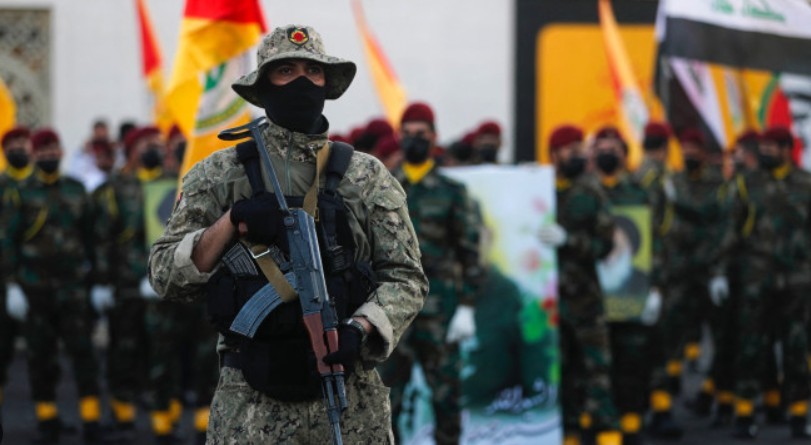
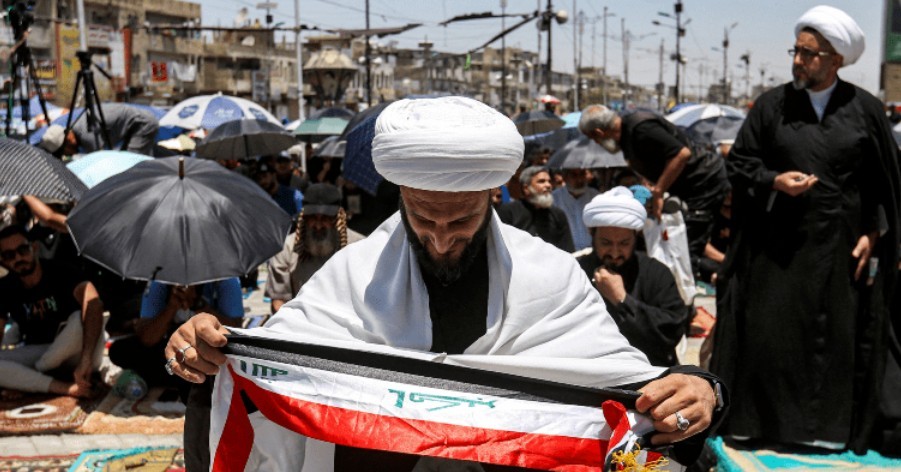
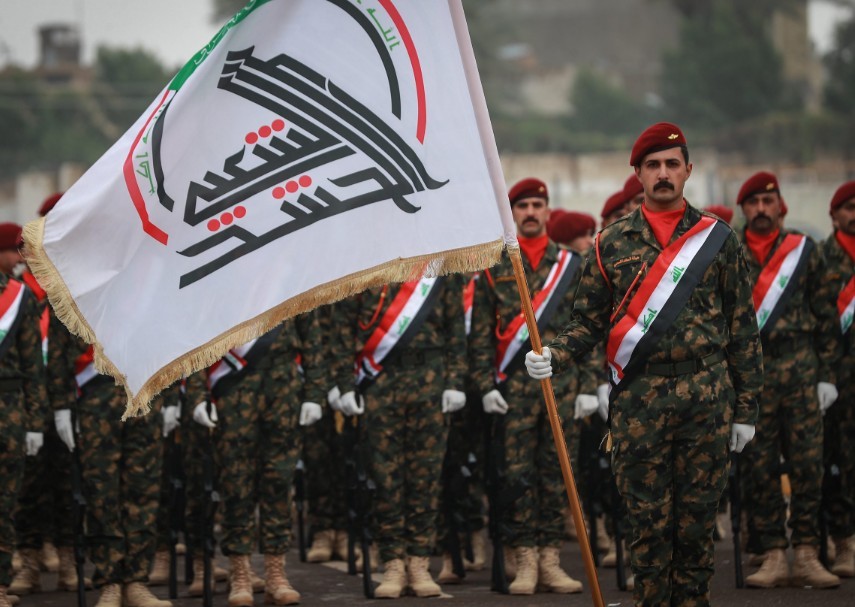
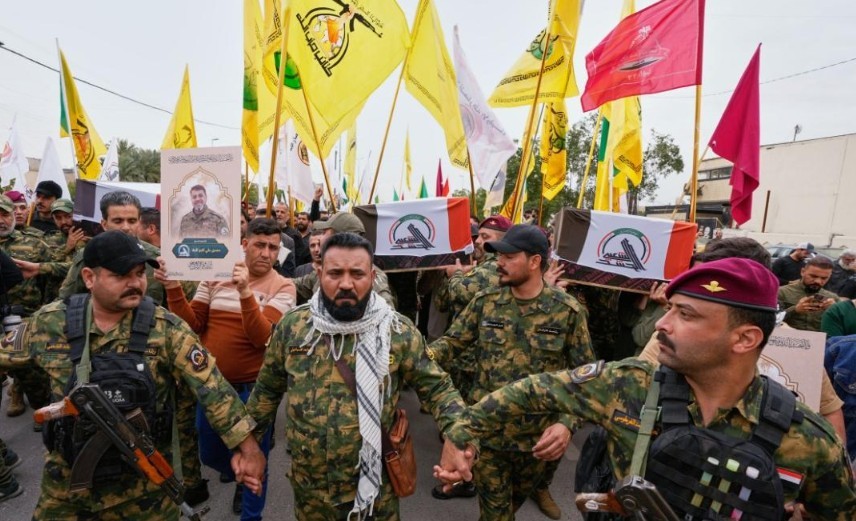
This situation reinforces one of the most controversial and persistent criticisms facing Iraq today: the belief that Iran-linked militias have become so influential that they now shape Iraq’s security environment, political stability, and international image in ways that weaken the authority of the state itself.
Over the years, these armed groups have evolved beyond purely military organizations. Many now possess political connections, economic influence, and deep networks inside parts of Iraq’s institutional system. Critics argue that this has created a fragmented structure of power in which the Iraqi government formally exists as the central authority, but in practice struggles to fully control all armed actors operating within its borders.
The broader concern is that Iraq increasingly appears vulnerable to decisions and escalations connected to Tehran’s regional strategy rather than solely Iraqi national interests. Whenever tensions rise between Iran and other regional or international actors, fears immediately emerge that Iraq could once again become an arena for proxy confrontation. This repeated cycle damages public confidence and reinforces international perceptions of Iraq as unstable and exposed to external influence.
The consequences extend far beyond security alone. Persistent militia influence affects foreign investment, economic confidence, diplomatic relations with Western and Gulf countries, international travel advisories, and Iraq’s broader reputation abroad. Many observers argue that Iraq’s enormous economic potential and reconstruction efforts continue to be undermined by the perception that non-state armed groups tied to external regional interests remain stronger and more influential than the institutions meant to govern the country. As long as Iraq remains associated with militia activity, regional escalation, and divided authority structures, critics believe the country will continue struggling to project itself internationally as fully stable, sovereign, and politically independent.
ARTICLE:
On 10 May 2026, Iraqi political and security officials renewed public warnings against unauthorized military activity by armed groups operating inside the country, as tensions connected to Iran and wider regional conflicts continued to intensify concerns about Iraq’s stability. Iraqi authorities emphasized that all armed operations must remain under the command of the state and warned that unilateral actions carried out by militias could expose Iraq to retaliation, diplomatic crises, or deeper involvement in regional confrontation.
The warnings came amid heightened regional instability and increased monitoring of militia-linked activity across Iraq. Security officials raised concerns that Iran-aligned armed factions continue to maintain operational capabilities and independent influence despite repeated government statements calling for centralized control over all weapons and military activity. International observers and regional governments have also continued expressing concern that Iraq could become a platform for escalation tied to broader Iran-related tensions in the Middle East.
In response, Iraqi security forces increased surveillance around strategic areas and maintained heightened alert levels in parts of Baghdad and other sensitive locations. The situation reflects continuing fears that developments outside Iraq’s borders could rapidly affect the country internally due to the presence of armed groups with ideological and operational ties extending beyond the Iraqi state itself.
About

This platform is run by one person, but it carries the voices of many. It exists for the people of Iraq who live in fear, who cannot speak freely, and whose stories are often ignored or erased. With limited resources but deep responsibility, I report on government and power not for influence or profit, but because truth still matters. When silence is forced, this space chooses to speak — carefully, bravely, and with humanity.
Featured Posts


Subscribe now to stay updated with top news!
Subscribe now to stay updated with all the top news, exclusive insights, and weekly highlights you won’t want to miss.