Religiously aligned militias continue expanding influence inside Iraq
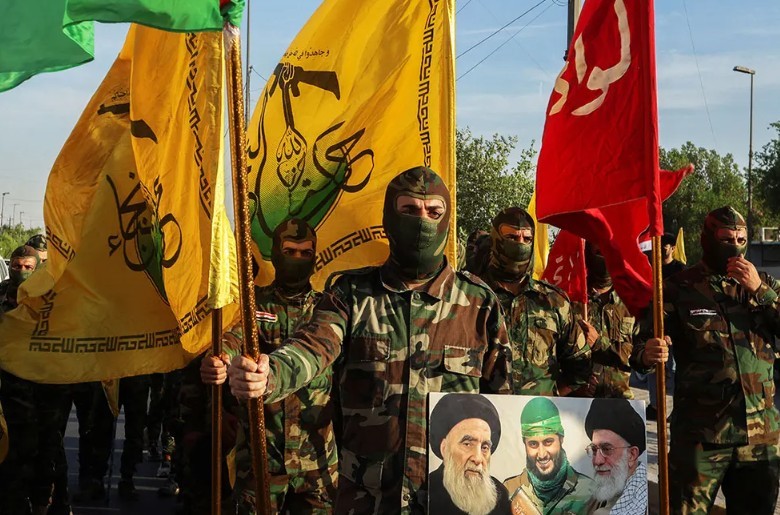
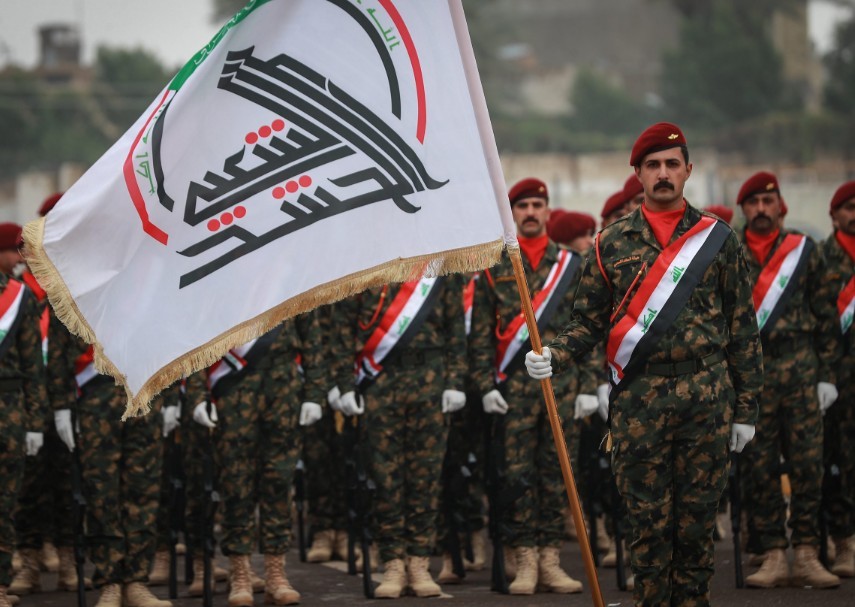
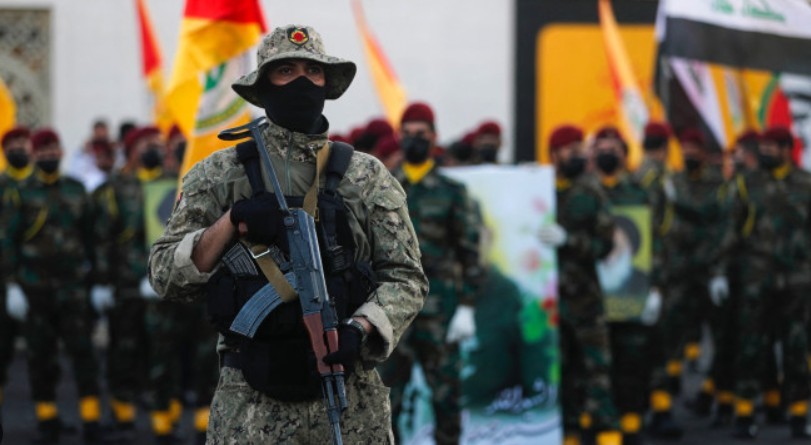
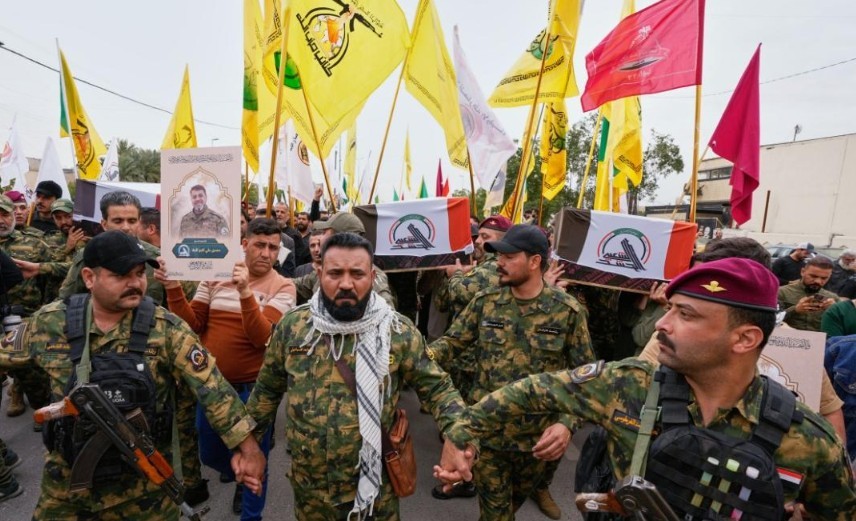
Iraqi political and security discussions remained focused on the continuing influence of Iran-aligned militias within the country’s political and security environment

Abdulla Shakir Mahmood
AUTHORS NOTE:
I honestly think one of the biggest tragedies in Iraq is that the country still cannot fully function like a normal sovereign state because armed factions with ideological and religious loyalties continue holding enormous power alongside official institutions. Iraq should have one authority, one military structure, and one national direction. Instead, the country constantly looks trapped between competing networks of influence that are stronger than the state itself in some areas.
What makes this situation so dangerous is that these militias are not just armed groups hiding outside the system. Many have political allies, institutional influence, and ideological narratives that allow them to maintain legitimacy and power while the state struggles to fully control them. That creates a situation where Iraq’s government often appears reactive instead of truly authoritative.
The result is a country permanently living under the fear of escalation. Every regional crisis involving Iran immediately creates anxiety inside Iraq because people know that militias operating here could become involved or trigger consequences for the entire country. Ordinary Iraqis did not choose to become part of these regional power struggles, yet they continue paying the price through instability, economic pressure, international isolation, and constant uncertainty.
And honestly, it is exhausting watching Iraq lose years of development because of this cycle. Instead of being known for rebuilding, education, investment, and opportunity, Iraq keeps being associated with militias, ideological conflict, and regional tension. As long as armed groups with external loyalties remain more influential than the institutions meant to govern the country, Iraq will continue struggling to fully recover its stability, independence, and international credibility.
ARTICLE:
On 17 May 2026, Iraqi political and security discussions remained focused on the continuing influence of Iran-aligned militias within the country’s political and security environment. Analysts and regional observers noted that several armed factions with strong ideological and religious affiliations continue to maintain significant operational and political influence despite repeated government statements insisting that all armed activity must remain fully under state control.
The issue gained further attention following renewed regional tensions involving Iran and its allied networks, increasing fears that Iraq could again become exposed to external confrontation because of the activities of non-state armed groups operating inside its borders. Iraqi authorities maintained heightened security monitoring around strategic locations and reiterated warnings against unilateral military actions that could destabilize the country.
Several militia-linked political factions also continue to hold influence within Iraq’s parliamentary and institutional structures, complicating government efforts to centralize authority and fully separate official state policy from the agendas of armed actors tied to wider regional ideological movements.
About

This platform is run by one person, but it carries the voices of many. It exists for the people of Iraq who live in fear, who cannot speak freely, and whose stories are often ignored or erased. With limited resources but deep responsibility, I report on government and power not for influence or profit, but because truth still matters. When silence is forced, this space chooses to speak — carefully, bravely, and with humanity.
Featured Posts


Subscribe now to stay updated with top news!
Subscribe now to stay updated with all the top news, exclusive insights, and weekly highlights you won’t want to miss.