Taxi Driver Killed in Militia-Linked Attack During Baghdad Clash
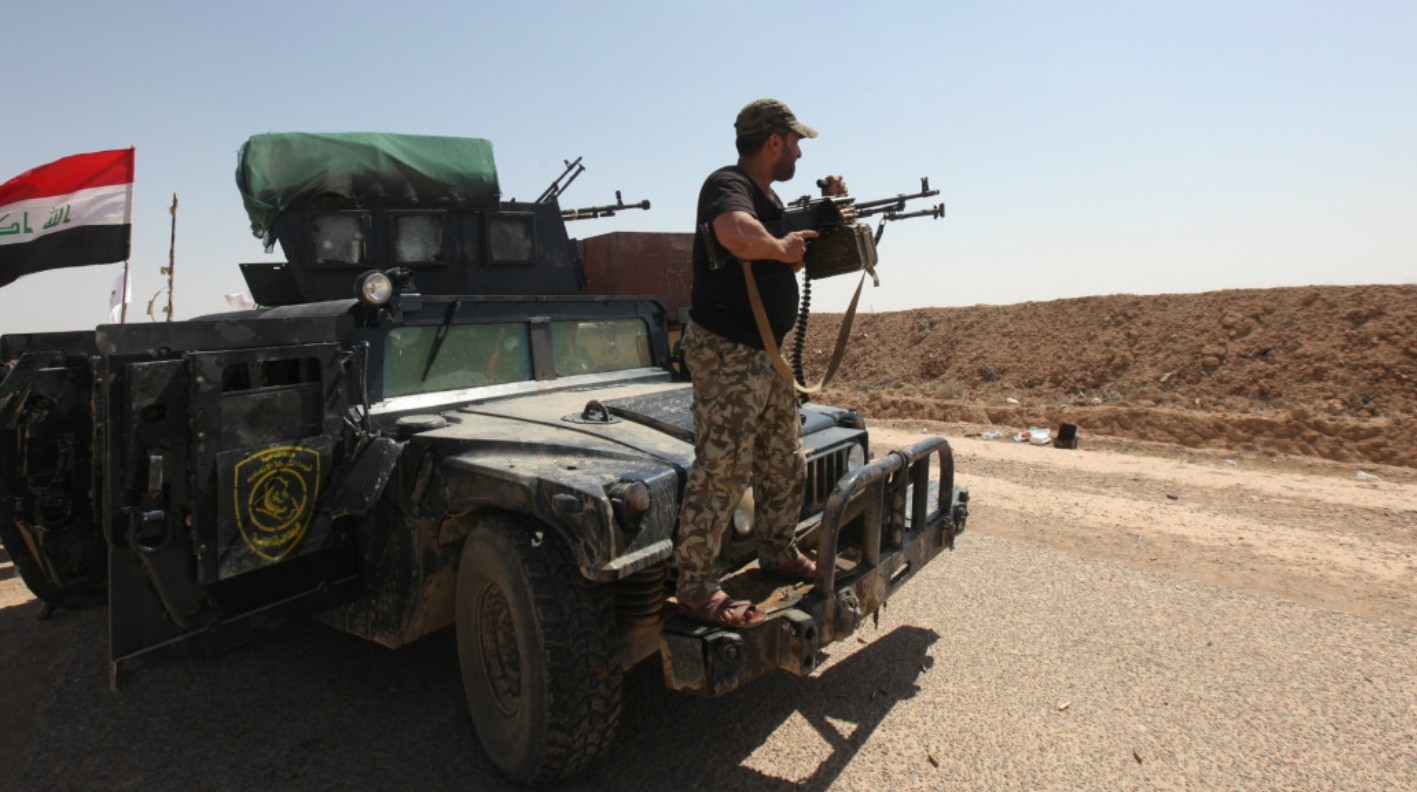
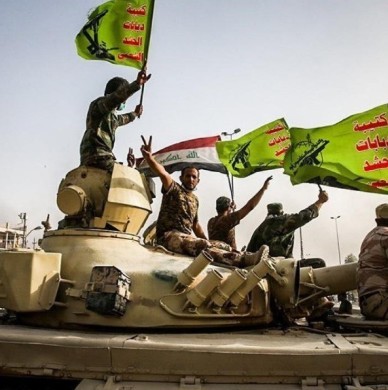
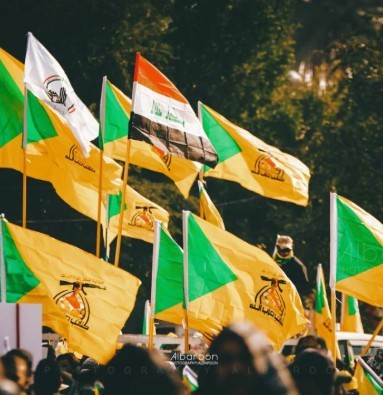
A young civilian taxi driver was shot dead during a violent confrontation involving Kata’ib Hezbollah militia fighters — part of the Iran-aligned Popular Mobilisation Forces (PMF) — in Baghdad’s Dora district on 27 July 2025, raising alarm over militia violence and the vulnerability of ordinary Iraqis amid armed faction clashes.

Abdulla Shakir Mahmood
Jul 27, 2025
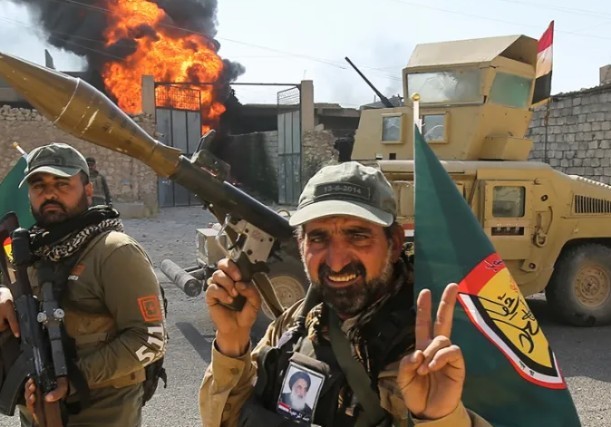
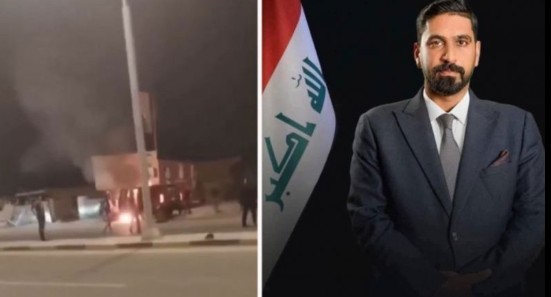
According to local reports, the deadly episode occurred when fighters linked to Kata’ib Hezbollah attacked the Ministry of Agriculture office to disrupt an administrative change. As the militia opened fire in broad daylight, federal police returned fire, sparking gun battles that spread into nearby streets. Amid the chaos, a civilian — identified by family sources as taxi driver Abbas al-Atabi — was shot in the head and killed while going about his daily work. His family later described the killing as a senseless attack on an innocent man.
Authorities confirmed that the clash left at least two people dead — including the taxi driver — and nine security personnel wounded, and that a former ministry director was arrested for allegedly involving the armed group in the assault. Iraqi Prime Minister Mohammed Shia al-Sudani ordered a high-level investigation and legal action to hold those responsible accountable.
The U.S. Embassy in Baghdad publicly blamed Kata’ib Hezbollah — a U.S.-designated terrorist organisation — for the violence, and called on Iraqi authorities to swiftly bring perpetrators and their leaders to justice, stressing that impunity for such acts undermines Iraq’s security and rule of law.
The killing of a civilian during an armed militia confrontation sparked public outrage and deepened fears among Baghdad residents about the ongoing influence of powerful armed groups, even those nominally part of state security structures. Critics argue that episodes like this reveal persistent gaps in civilian protection, militia oversight, and accountability, and that ordinary Iraqis continue to pay the price for factional violence spilling into everyday life.
Analysts say the incident underscores a tragic reality: when militia interests clash with official authority, it is often innocent civilians who suffer the most, eroding trust in the state’s ability to ensure security and justice.
وفقًا لتقارير محلية، وقعت الحادثة الدامية عندما هاجم مقاتلون مرتبطون بكتائب حزب الله مبنى وزارة الزراعة في محاولة لعرقلة تغيير إداري داخل الوزارة. ومع إطلاق عناصر الميليشيا النار في وضح النهار، ردّت قوات الشرطة الاتحادية، ما أدى إلى اندلاع اشتباكات مسلحة امتدت إلى الشوارع المحيطة. وفي خضم الفوضى، قُتل مدني — عرّفته عائلته على أنه سائق أجرة يُدعى عباس العتابي — بعد إصابته برصاصة في الرأس أثناء ممارسته عمله اليومي. ووصفت عائلته مقتله بأنه جريمة عبثية بحق إنسان بريء.
وأكدت السلطات أن الاشتباكات أسفرت عن مقتل شخصين على الأقل، من بينهم سائق الأجرة، وإصابة تسعة من أفراد القوات الأمنية، كما جرى اعتقال مدير سابق في الوزارة بتهمة التورط في استدعاء الجماعة المسلحة لتنفيذ الهجوم. وأمر رئيس الوزراء العراقي محمد شياع السوداني بفتح تحقيق رفيع المستوى واتخاذ إجراءات قانونية لمحاسبة المسؤولين عن الحادث.
من جهتها، حمّلت السفارة الأميركية في بغداد كتائب حزب الله — المصنفة منظمة إرهابية من قبل الولايات المتحدة — المسؤولية المباشرة عن أعمال العنف، ودعت السلطات العراقية إلى محاسبة المنفذين وقادتهم بسرعة، مؤكدة أن الإفلات من العقاب يقوّض أمن العراق وسيادة القانون.
وأثار مقتل مدني خلال مواجهة مسلحة بين ميليشيا وقوات رسمية موجة غضب شعبي، وعمّق مخاوف سكان بغداد من استمرار نفوذ الجماعات المسلحة القوية، حتى تلك المنضوية شكليًا ضمن مؤسسات الدولة الأمنية. ويرى منتقدون أن مثل هذه الحوادث تكشف ثغرات خطيرة في حماية المدنيين والرقابة على الميليشيات والمساءلة، وأن المواطنين العاديين هم من يدفعون ثمن صراعات الفصائل المسلحة.
ويؤكد محللون أن هذه الواقعة تبرز حقيقة مأساوية: عندما تتصادم مصالح الميليشيات مع سلطة الدولة، يكون الضحايا في الغالب أبرياء، ما يؤدي إلى تآكل الثقة بقدرة الدولة على توفير الأمن وتحقيق العدالة.
About

This platform is run by one person, but it carries the voices of many. It exists for the people of Iraq who live in fear, who cannot speak freely, and whose stories are often ignored or erased. With limited resources but deep responsibility, I report on government and power not for influence or profit, but because truth still matters. When silence is forced, this space chooses to speak — carefully, bravely, and with humanity.
Featured Posts
Explore Topics