>
>
US sanctions expose how Iranian influence and militia networks continue to damage Iraq’s economy, sovereignty, and international reputation
US sanctions expose how Iranian influence and militia networks continue to damage Iraq’s economy, sovereignty, and international reputation
The United States Treasury imposed sanctions on Iraqi Deputy Oil Minister Ali Maarij al-Bahadly and several leaders of Iran-aligned militias operating inside Iraq.

Abdulla Shakir Mahmood
AUTHORS NOTE:
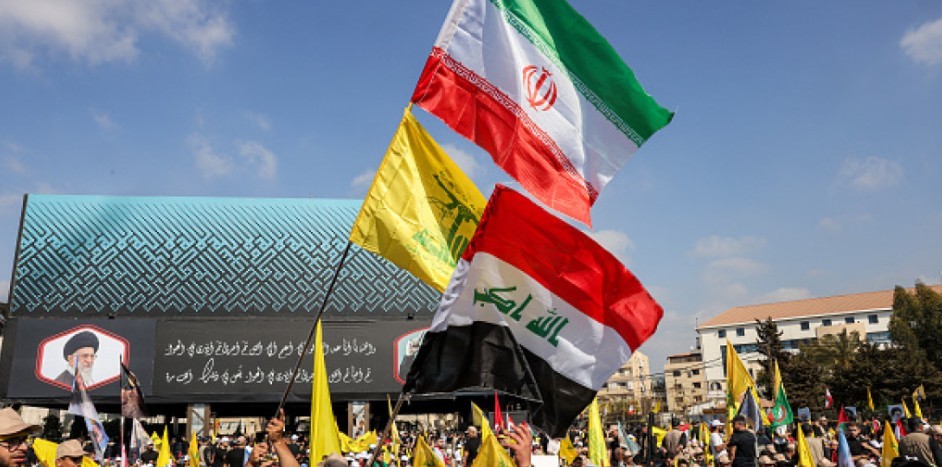
This development is highly controversial because it reinforces one of the most damaging criticisms facing Iraq today: the perception that Iranian influence has become deeply embedded inside Iraqi political, economic, and security structures.
The sanctions suggest that the problem is no longer limited to militias acting independently outside the state. Instead, international actors increasingly believe that parts of Iraq’s official institutions themselves have become vulnerable to influence from networks tied to Iran and its allied armed groups. When allegations involve Iraq’s oil sector the country’s most important source of national income—the issue becomes even more serious.
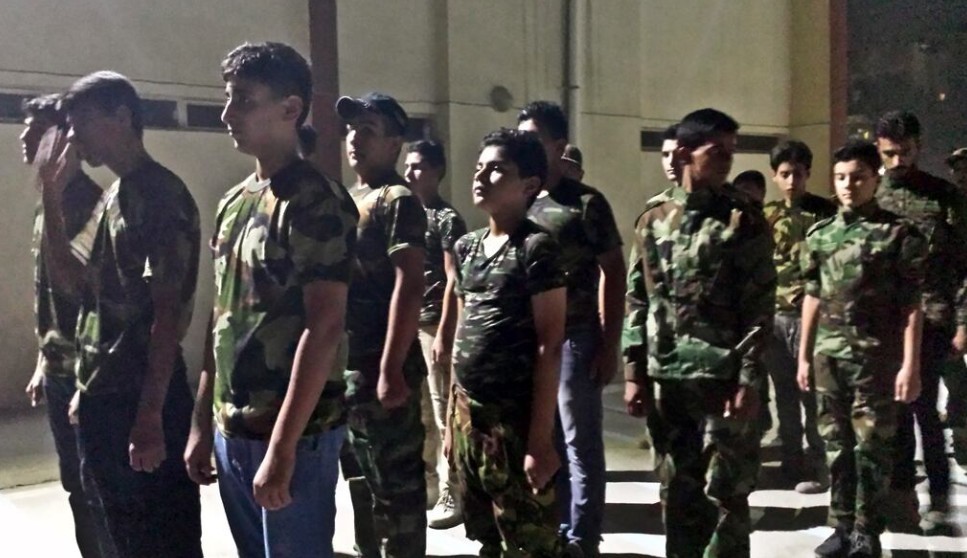
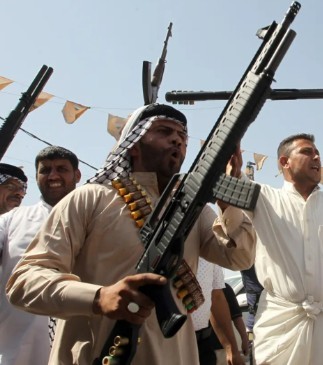
For many critics, this reflects a broader pattern where Iraq’s sovereignty is weakened by overlapping political and militia relationships connected to Tehran. Iran-backed groups are often accused of operating not only as armed factions but also as economic and political power centers capable of influencing state decisions, security policy, and financial systems.
The situation also damages Iraq internationally. Sanctions on senior Iraqi officials create the impression that the country’s institutions are no longer viewed entirely as neutral state bodies, but as spaces vulnerable to regional proxy influence and corruption. This affects investor confidence, diplomatic trust, and Iraq’s ability to present itself as politically independent.
More broadly, the case highlights Iraq’s ongoing struggle to separate national governance from regional power competition. Instead of acting solely according to Iraqi state interests, the country is repeatedly pulled into wider confrontations linked to Iran, sanctions disputes, militia activity, and regional geopolitical conflict. Many observers see this as one of the central reasons Iraq continues to face instability, weak institutions, and recurring crises even years after the defeat of ISIS.
ARTICLE:
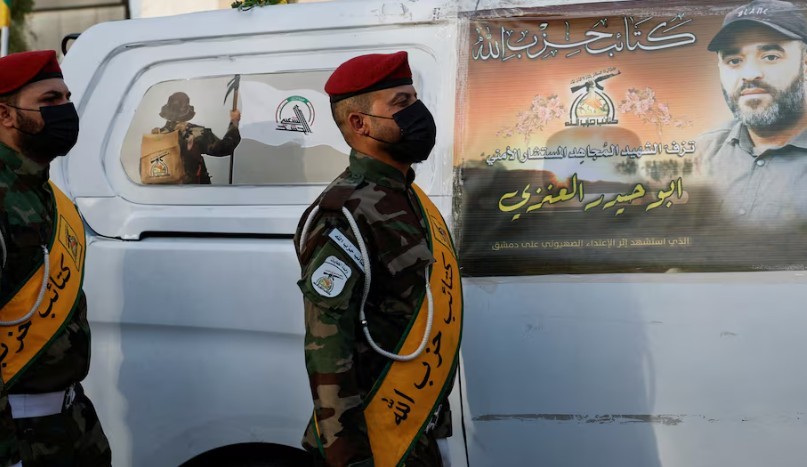
On 7 May 2026, the United States Treasury imposed sanctions on Iraqi Deputy Oil Minister Ali Maarij al-Bahadly and several leaders of Iran-aligned militias operating inside Iraq. According to U.S. officials, the sanctions were linked to allegations that Iraqi oil resources were being used to help Iran bypass international sanctions through oil smuggling and document falsification schemes. American authorities accused Iraqi officials and militia-linked networks of mixing Iranian oil with Iraqi crude and facilitating its export through Iraqi channels. The sanctions also targeted figures connected to groups such as Asa'ib Ahl al-Haq and Kata'ib Sayyid al-Shuhada, both of which are closely associated with Iran-backed militia structures inside Iraq. Iraqi authorities denied the accusations, but the case immediately intensified international scrutiny over Iran’s influence inside Iraqi institutions and the role of militias in the country’s economy and security sectors.
About

This platform is run by one person, but it carries the voices of many. It exists for the people of Iraq who live in fear, who cannot speak freely, and whose stories are often ignored or erased. With limited resources but deep responsibility, I report on government and power not for influence or profit, but because truth still matters. When silence is forced, this space chooses to speak — carefully, bravely, and with humanity.
Featured Posts



Subscribe now to stay updated with top news!
Subscribe now to stay updated with all the top news, exclusive insights, and weekly highlights you won’t want to miss.