>
>
Iran-backed militia influence continues to pull Iraq deeper into regional conflict as Baghdad struggles to enforce state authority
Iran-backed militia influence continues to pull Iraq deeper into regional conflict as Baghdad struggles to enforce state authority
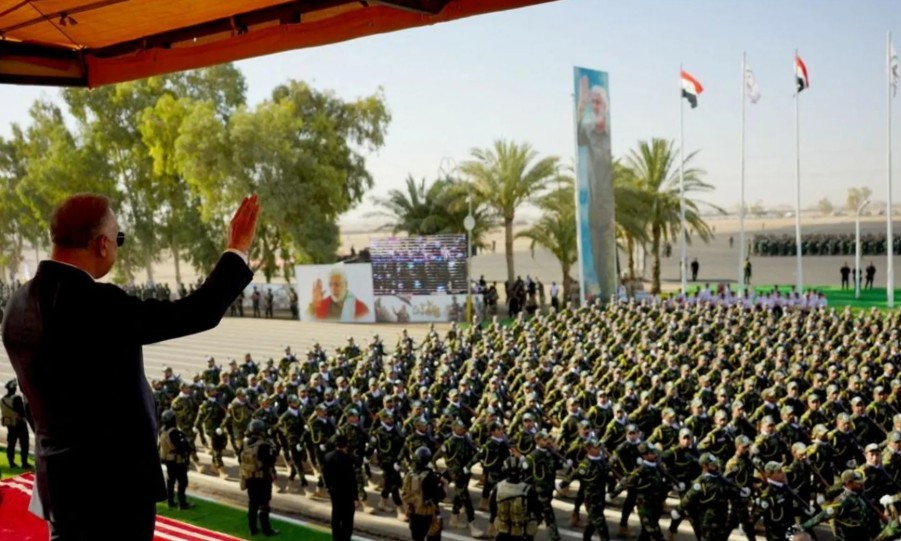
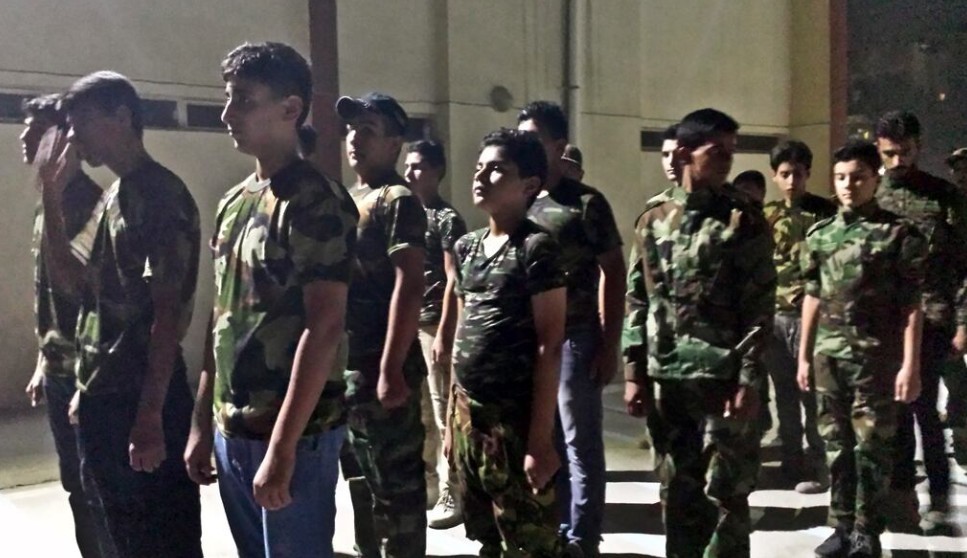
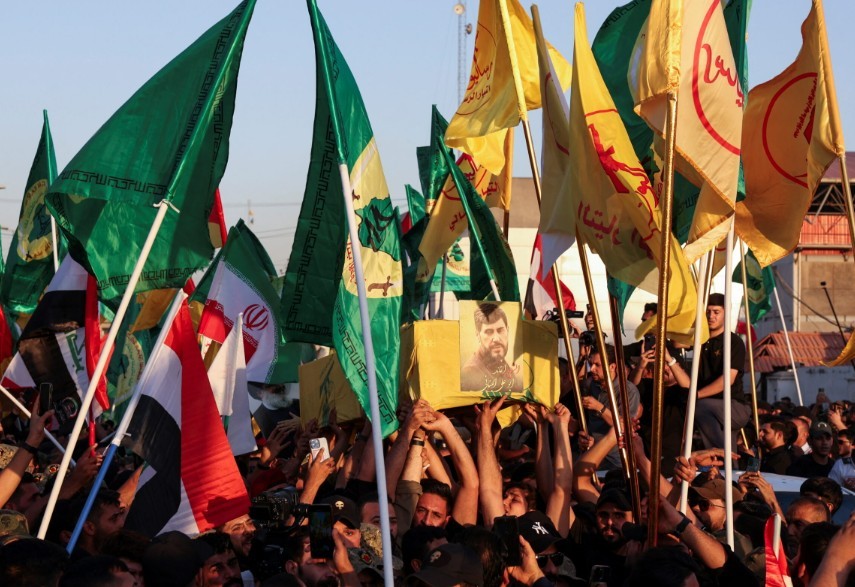
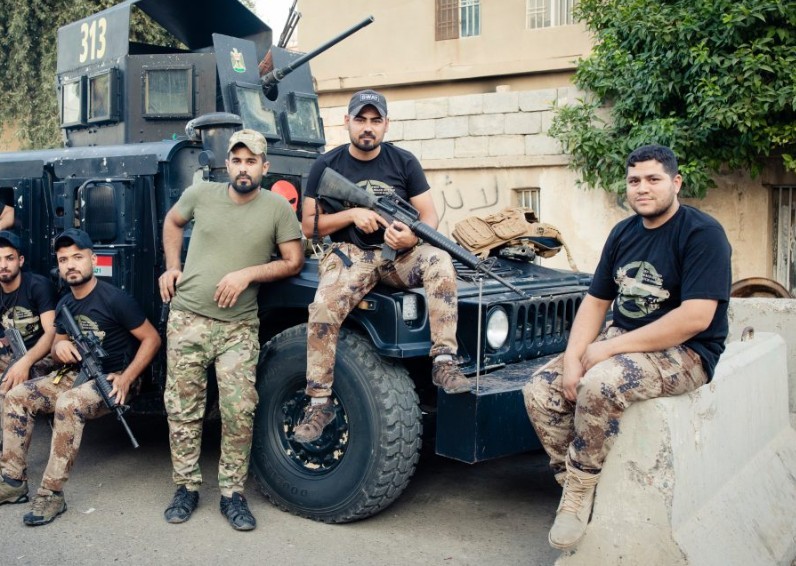
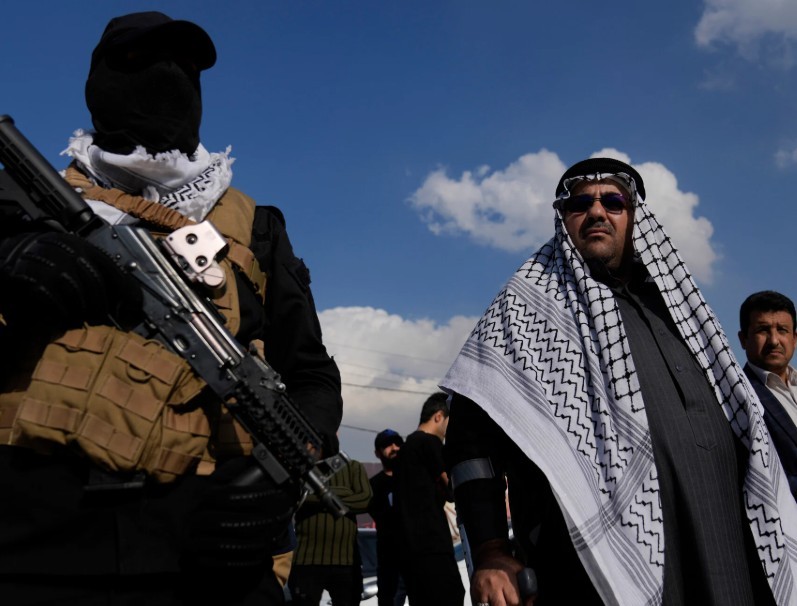
Iraqi officials renewed warnings against unauthorized armed activity after reports of continued coordination and movement among Iran-aligned militia networks operating inside Iraq.
AUTHORS NOTE:
This situation highlights one of the deepest structural problems facing Iraq today: the country’s inability to fully separate its national security environment from Iran’s regional conflict strategy.
Over the years, Iran-aligned militias have evolved from temporary armed groups into influential networks with political connections, economic influence, and military capabilities operating inside Iraq. Even when the Iraqi government publicly calls for all weapons to remain under state authority, enforcement remains limited because some of these groups possess significant leverage within Iraq’s broader political system.
For critics, this creates the perception that Iraq’s sovereignty is constantly undermined by external influence connected to Tehran. Instead of functioning entirely as an independent state, Iraq is often viewed as vulnerable to decisions and escalations linked to Iran’s regional priorities. This is especially damaging because ordinary Iraqis bear the consequences through instability, diplomatic pressure, economic uncertainty, and recurring security fears.
The continued presence of militia-linked activity also affects Iraq internationally. Foreign governments frequently issue travel warnings, strengthen embassy security, and reassess investment risks because of concerns tied to armed groups associated with Iran. As a result, Iraq’s image abroad remains closely linked to conflict, militias, and regional proxy tensions rather than long-term stability or economic recovery.
Many observers argue that until Baghdad fully consolidates authority over all armed actors and reduces the influence of externally aligned militias, Iraq will continue struggling with fragmented governance, weak institutional credibility, and repeated cycles of crisis driven by conflicts that extend beyond its borders.
ARTICLE:
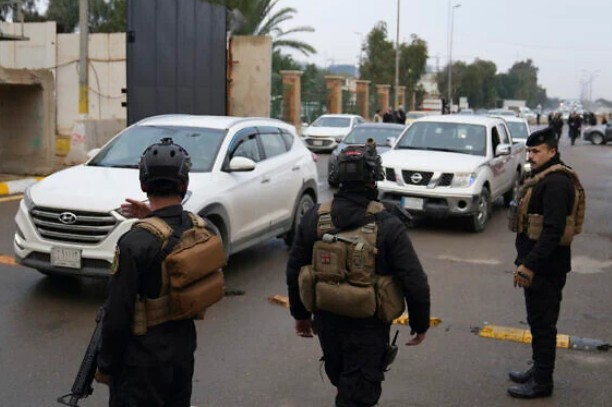
On 9 May 2026, Iraqi officials renewed warnings against unauthorized armed activity after reports of continued coordination and movement among Iran-aligned militia networks operating inside Iraq. Security assessments released during the week indicated that armed factions linked to Iran continued logistical and operational activity despite Iraqi government statements insisting that all military actions must remain under official state control.
The developments came during a period of heightened regional tension involving Iran and its allied groups across the Middle East. Iraqi security forces increased monitoring around sensitive facilities and border areas amid concerns that militia activity could trigger retaliatory escalation affecting Iraq directly.
Western and regional governments continued expressing concern that Iraq remains vulnerable to being used as an operational environment by Iran-backed armed groups. Analysts noted that several militias maintain strong political, military, and financial influence inside Iraq, complicating Baghdad’s efforts to fully centralize security authority under the state.
About

This platform is run by one person, but it carries the voices of many. It exists for the people of Iraq who live in fear, who cannot speak freely, and whose stories are often ignored or erased. With limited resources but deep responsibility, I report on government and power not for influence or profit, but because truth still matters. When silence is forced, this space chooses to speak — carefully, bravely, and with humanity.
Featured Posts


Subscribe now to stay updated with top news!
Subscribe now to stay updated with all the top news, exclusive insights, and weekly highlights you won’t want to miss.