>
>
Iraq remains vulnerable to proxy escalation as armed networks, political fragmentation, and external pressure converge
Iraq remains vulnerable to proxy escalation as armed networks, political fragmentation, and external pressure converge
Iran-aligned armed networks operating in Iraq maintain the capability to influence both security conditions and political negotiations

Abdulla Shakir Mahmood
AUTHORS NOTE:
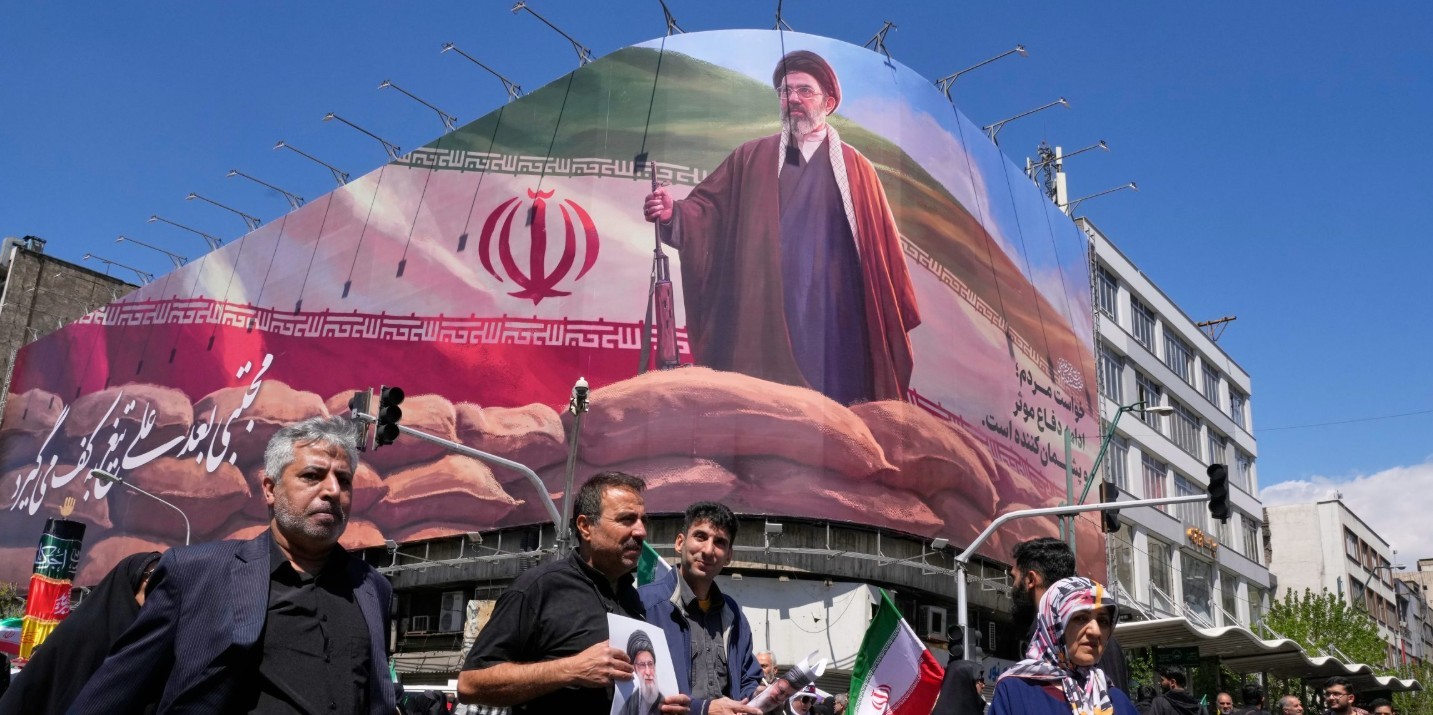
What this picture ultimately shows is not a single crisis event, but a structural condition Iraq has been living with for years: the coexistence of formal state authority and parallel armed-political systems.
When a state does not hold exclusive control over armed force, politics becomes inseparable from coercive influence. That doesn’t mean every decision is forced—but it does mean that decision-making environments are shaped by actors who can apply pressure outside normal institutional channels. Over time, this affects how ministries function, how security priorities are set, and how accountability is distributed.
Layered on top of this is external pressure from competing regional and international powers. Iraq is not just responding to domestic challenges; it is also positioned within a wider geopolitical contest involving Iran, the United States, and regional security actors. This creates a situation where internal political disagreements are amplified by external interests.
The result is a system that is constantly negotiating stability rather than fully achieving it where short-term containment is more common than long-term resolution.
ARTICLE:
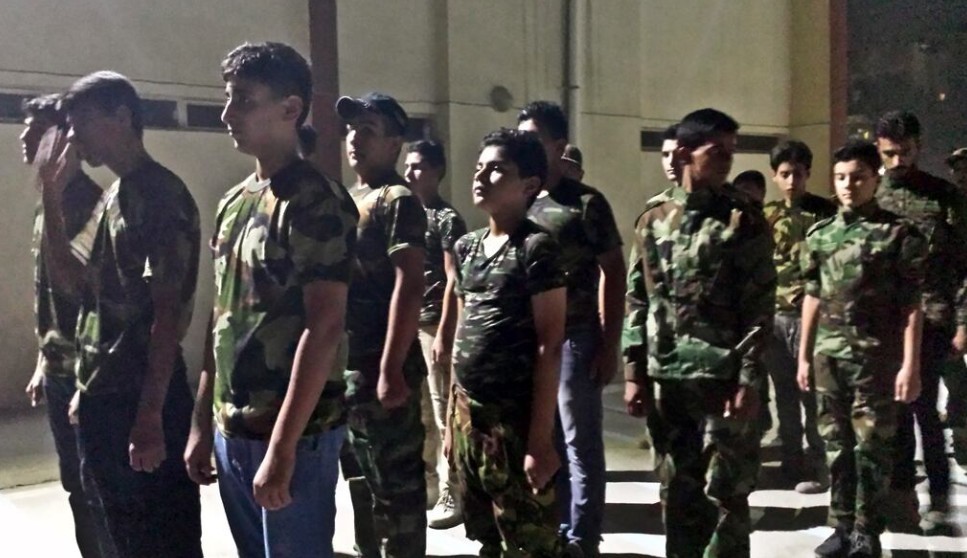
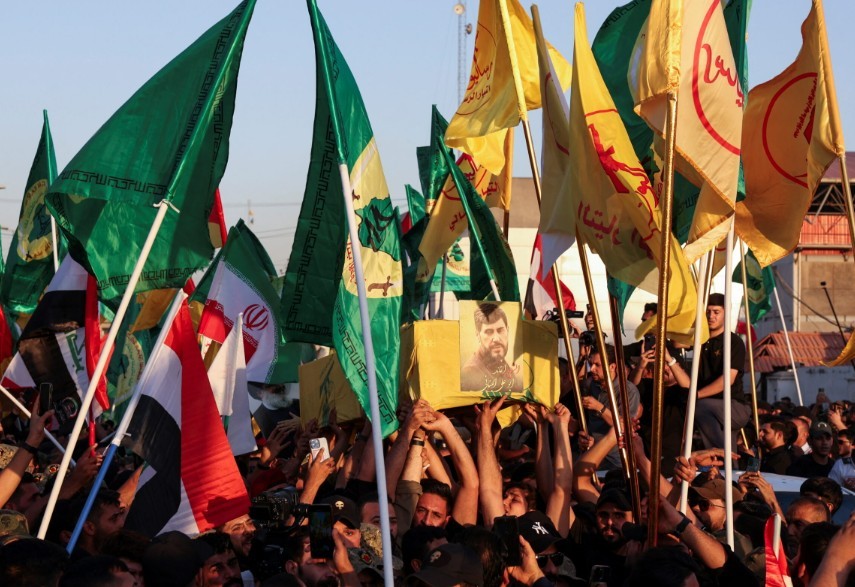
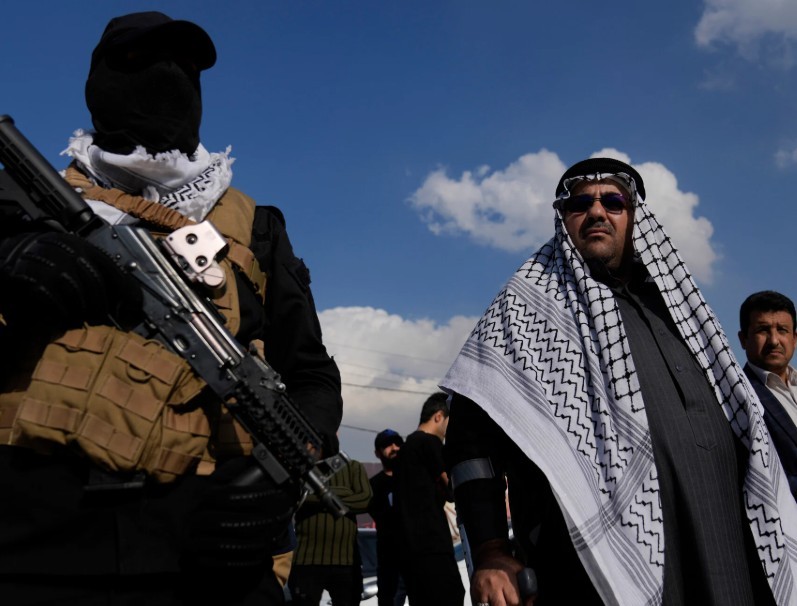
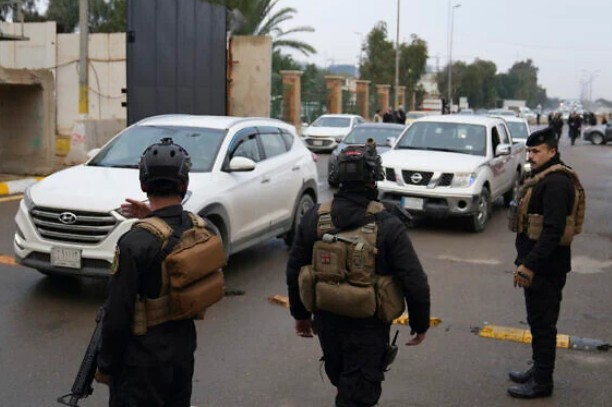
In late April 2026, Iraq continued to be described in security assessments as a key operational space within the broader Iran–US regional confrontation dynamics. Monitoring reports highlighted that Iran-aligned armed networks operating in Iraq maintain the capability to influence both security conditions and political negotiations, particularly in areas where state authority is shared with or overlaps non-state armed structures.
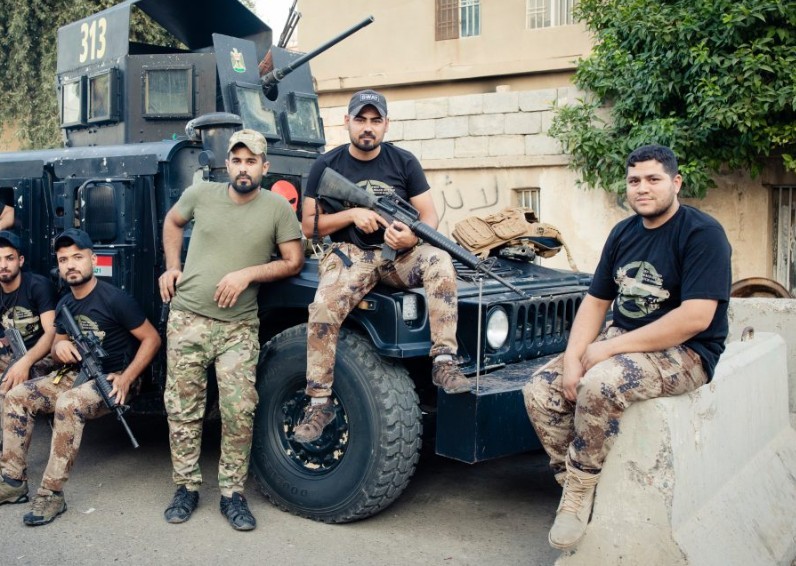
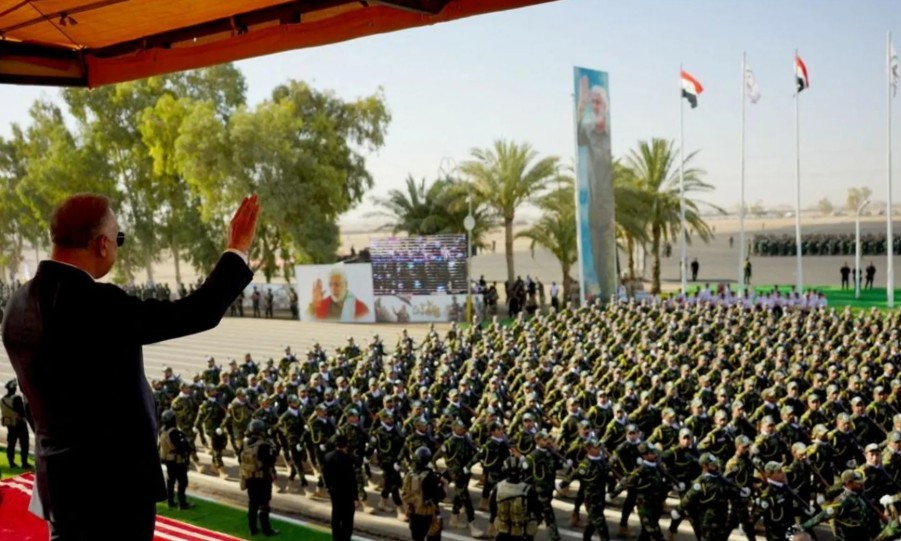
Security assessments during this period also emphasized that Iraq’s internal cohesion remains challenged by overlapping command structures between federal institutions and armed groups integrated into formal security frameworks such as the Popular Mobilization Forces system. This duality has been repeatedly identified as a factor complicating state monopoly over force.
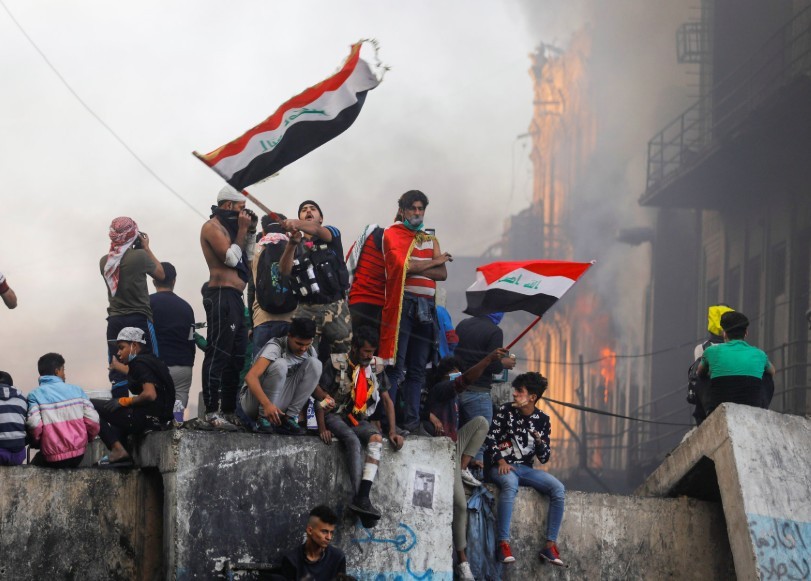
At the political level, Iraq’s governance environment remained fragmented, with coalition negotiations and institutional decision-making affected by competing internal blocs and external diplomatic pressure from both Western and regional actors.
About

This platform is run by one person, but it carries the voices of many. It exists for the people of Iraq who live in fear, who cannot speak freely, and whose stories are often ignored or erased. With limited resources but deep responsibility, I report on government and power not for influence or profit, but because truth still matters. When silence is forced, this space chooses to speak — carefully, bravely, and with humanity.
Featured Posts


Subscribe now to stay updated with top news!
Subscribe now to stay updated with all the top news, exclusive insights, and weekly highlights you won’t want to miss.